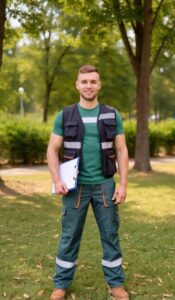
Tim the Arborist of the West and North

King parrot life expectancy

Branches and Buffers: An Arborist’s Tale of Two Sydneys

He loves them both

I first met Tim at a busy M4 petrol station, his white ute looking less like a vehicle and more like a hardware store on wheels. Chainsaws, climbing ropes, and helmets were strapped down in the tray, while the cabin brimmed with helmets, log books, and the faint, sweet scent of eucalyptus oil and fresh-cut timber. He was refuelling before a big job, a bloke with sun-leathered arms and the calm, observant eyes of someone used to assessing risks from great heights. As the pump clicked off, I asked him the question that had been bouncing around my head: given a choice, does he prefer the tough, sprawling tree work of Western Sydney or the intricate, high-stakes jobs of the Northern Beaches?

Tim let out a short, knowing laugh and leant against his ute, its suspension sighing under the weight of a career’s worth of gear. “Ah, you can’t really compare them,” he said, wiping grease from his hands. “It’s like asking if I prefer my oldest, heaviest splitting axe or my sharpest, most expensive handsaw. They’re for completely different jobs. The west and the beaches… they’re different worlds. Different trees, different soils, different headaches, and different rewards.”

The West: Grit, Growth, and Getting It Done

“Out west,” Tim began, nodding toward the highway’s inland stream of traffic, “it’s about raw scale and endurance. You’re dealing with survivors—huge, old River Red Gums, gnarly Angophoras, and massive Cypresses that have seen a century of hot summers on those big, flat blocks.” He patted the heavy-duty winch bolted to his ute’s tray. “You need all this gear and more. The soil’s hard clay that bakes in the sun, and in summer, you’re racing the sun itself. You start at dawn, and by 10 AM the heat’s shimmering off the ground. The work is physically brutal. The wood’s harder, the trees are often stressed, which makes them unpredictable. But there’s a real, solid satisfaction to it. It’s hard yakka, but you see the result right away—a giant safely on the ground, a fire hazard eliminated. People out there are usually straightforward; they’ve got a problem, and they need you to solve it.”

[Menu]

The Northern Beaches: Precision, Pressure, and Perfect Landscapes

Then, his tone shifted, as if he could smell the salt air. “Now, the Northern Beaches… that’s another universe. It’s not about brute force; it’s about being a surgeon, a strategist, and a bit of a diplomat all at once.”

He gestured to the meticulously organised toolboxes in his ute. “Up there, every single one of these tools has a specific, delicate purpose. Access is your first battle. You’re navigating cliff-side drives, streets barely wider than this ute, and backyards that are more like obstacle courses with swimming pools, glass houses, and priceless views. You’re not just removing a tree; you’re performing surgery in a living gallery.”

The real difference, Tim stressed, is the pressure that comes from everything around the tree. “That’s not just a backyard. It’s a landscaped masterpiece. That tree isn’t just a tree; it’s part of someone’s harbour view or a protected bit of bushland. The neighbour is on the phone to council before your boots are on the ground. You need more paperwork—arborist reports, council permits, heritage impact statements—than you do rigging rope. It’s a high-wire act, but without the safety net of a wide-open space.”

The Verdict: Two Halves of a Whole

So, does he have a favourite? Tim just shook his head with a smile. “It’s not about liking one more. They balance each other out. The west keeps you strong and honest—it tests your gear, your crew, and your grit. It’s the foundation. The Beaches test your skill, your patience, and your knowledge of every council rule ever written. It’s the finesse.”

He explained that the variety is what keeps the job alive. “A week spent wrestling a storm-damaged Gum in Windsor makes you appreciate the slow, precise, crane-assisted dismantle of a Norfolk Pine in Avalon the next week. In the west, the main battle is often the tree itself and the elements. On the beaches, the tree is just one character in a drama that includes local politics, geology, and real estate prices.”

The Common Thread: Tools, Trade, and Respect

As he prepared to jump back in his ute, Tim pointed to the chaos of equipment behind him. “See all this? Whether I’m headed to Penrith or Palm Beach, the core is the same: respect for the tree, safety for my mates, and using the right tool for the job. ‘Lopping’ is a dirty word in both postcodes. Real arboristry is science and craft. It’s knowing how to read a tree’s structure, whether it’s standing in cracking clay or perched on sandstone.”

“The west,” he concluded, firing up the engine, “is like a strong black coffee—powerful, no-nonsense, and it gets the job done. The Northern Beaches is a perfectly flat white—smoother, more delicate, and everyone has an opinion on how it should be made. Me? I’ve got to be expert at making both.”

With a wave, he pulled his laden ute back into the Sydney traffic, a craftsman equally at home in the city’s two very different, equally demanding, arboreal worlds.

https://www.northernbeaches.nsw.gov.au/things-to-do/visit
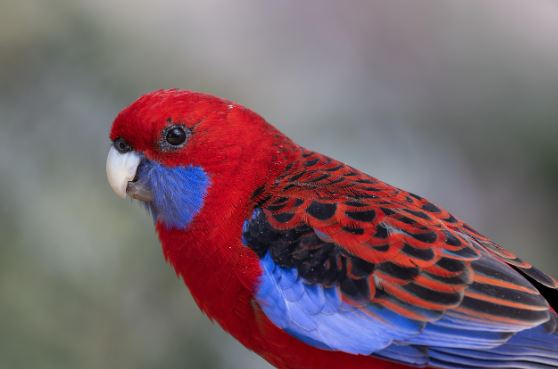
rosella

Sydney Tree Lopping and Removal Cost

How long can king parrots live

How Much Does Tree Lopping Cost in Sydney? (Price Factors Explained)

First, A Critical Reframe: “Lopping” vs. Professional Arborist Services

Before discussing costs, it’s essential to clarify terminology. In Sydney, “tree lopping” refers to the unregulated, damaging practice of indiscriminately cutting branches to stubs. It is:

  • Often illegal under council Tree Preservation Orders (TPOs)

  • Harmful to tree health and structure

  • Dangerous, as it promotes weak, hazardous regrowth

  • Not performed by qualified, insured arborists

What you’re likely seeking—and what this guide covers—is the cost of professional tree services performed to Australian Standards (AS4373) by qualified arborists. This includes pruning, removal, stump grinding, and hazard reduction.


Sydney Tree Service Cost Ranges (2024/2025 Estimates)

Important: These are guideline estimates only. Every job is unique and requires an on-site quote.

Service Type Low-End Mid-Range High-End/Complex What’s Included
Basic Pruning/Thinning $300 – $800 $800 – $2,500 $2,500 – $5,000+ Selective branch removal, canopy lifting, health pruning. Price scales with tree size.
Medium Tree Removal (10-15m) $800 – $2,500 $2,500 – $5,000 $5,000 – $8,000+ Full removal, sectional dismantling, basic cleanup. Most common suburban job.
Large Tree Removal (15m+) $2,500 – $5,000 $5,000 – $10,000 $10,000 – $20,000+ Complex rigging, crane hire, traffic management, full cleanup.
Stump Grinding $150 – $400 $400 – $800 $800 – $1,500+ Grinding to specified depth. Price by diameter and access.
Emergency/After-Hours +50% to +100% above standard rates Immediate hazard response, often outside business hours.
Hedge Trimming $80 – $150/hr $150 – $300/hr Varies Typically charged by the hour or per metre length.

The 8 Key Factors That Determine Your Final Cost

1. Tree Size, Species & Condition

  • Height & Canopy Spread: The primary cost driver. Taller, wider trees require more time, complex rigging, and potentially cranes.

  • Trunk Diameter: Thick trunks (over 60cm DBH) increase cutting time, waste volume, and equipment needs.

  • Species: Hardwoods (e.g., Ironbark) are harder to cut than softwoods. Some species (like certain Ficus or Pines) have dense, resinous wood or excessive sap flow.

  • Condition: Dead, rotten, or unstable trees are more expensive due to increased risk and careful handling requirements.

Tim the Arborist of the West and North

Sydney Tree Lopping and Removal Cost

Best Time of Year to “Lop” Trees in Sydney’s Climate

Tree Lopping Near Power Lines in Sydney

Signs Your Sydney Tree Needs Urgent Lopping

Council Approval to Lop a Tree in Sydney?

Brian the Artist and Tree Lopper

A Chat with a Maintenance Man of Two Sydneys

Australian Art | The Culture, Nature & Soul of Sydney Living

2. Site Accessibility & Complexity

  • Easy Access (Flat, clear yard): Lower cost.

  • Complex Access: Adds significant cost. Factors include:

    • Tight rear yards with no side gate

    • Sloping or unstable ground

    • Proximity to power lines (requires ASP-accredited arborists, possible network shutdown fees)

    • Close proximity to houses, pools, fences, or other “targets”

    • Limited street parking for equipment

3. Required Equipment & Labour

  • Basic Job: Chainsaws, chipper, 2-3 crew members.

  • Complex Job: May require:

    • Crane Hire: $1,500 – $5,000+ per day. Needed for confined spaces or large trees.

    • Elevated Work Platform (EWP): $500 – $1,500 per day.

    • Traffic Management: If road closure is needed, requires certified controllers and permits.

    • Specialist Rigging Gear: For controlled lowering over structures.

4. Green Waste Removal & Disposal

  • Most quotes include chipping and removal of all debris.

  • Sydney Tip Fees: Arborists pay ~$200-$400 per tonne at waste facilities. Large trees generate substantial waste.

  • Optional mulch retention may reduce costs slightly.

5. Stump Management

  • Stump Grinding: Separate cost (see table above). Depth (usually 300-600mm) affects price.

  • Full Stump Removal (excavation): Much more expensive ($1,000-$3,000+), requiring excavators and major site disturbance.

6. Council Approval & Reports

  • Council Application Fees: $50 – $150 (non-refundable if denied).

  • Arborist Report (if required): $300 – $800+ from a Level 5 Consulting Arborist. Often needed for large/regulated trees.

  • This is a separate cost from the physical work. Never proceed without confirming approval requirements.

7. Urgency & Scheduling

  • Planned, non-urgent work: Best pricing.

  • Emergency/Storm damage: Premium rates for immediate response.

  • Off-peak season (Autumn/Winter): Possible slight discounts as arborists are less busy.

8. The Company You Hire: Qualification & Insurance

  • “Cash-in-hand loppers”: May quote 50-70% less. EXTREMELY HIGH RISK. They typically lack:

    • Public Liability Insurance ($20M minimum required): You are liable for any damage or injury.

    • Proper Qualifications (AQF Level 3+): Work will not meet Australian Standards.

    • Safety Protocols: Risk of property damage or fatal injury is severe.

  • Reputable, Insured Arborist Company: Higher upfront cost, but includes safety, compliance, professionalism, and warranty.


The Hidden Costs of Choosing the Cheapest Option

Choosing an unqualified “lopper” based on price can lead to massive additional costs:

  • Council Fines: Up to $110,000 for illegal tree work in Sydney.

  • Property Damage Repairs: To your or your neighbour’s roof, fence, or plumbing.

  • Liability Claims: If a worker is injured on your property without insurance.

  • Tree Replacement Orders: Courts can order you to replant with mature specimens at costs of $10,000+.

  • Future Remediation: Fixing bad pruning often costs more than doing it right the first time.


How to Get an Accurate Quote: A Checklist

  1. Get 3 On-Site Quotes: Reputable arborists will always inspect first.

  2. Verify Credentials: Ask for:

    • Proof of Public Liability & Workers Comp Insurance

    • Arborist Licence/AQF Certification (check via Arboriculture Australia)

    • References or examples of past work

  3. Ensure Detailed Written Quote Includes:

    • Exact scope of work (what WILL and WON’T be done)

    • Total price (GST inclusive)

    • Cleanup and waste removal details

    • Start/completion dates

    • Payment terms (deposit, progress, completion)

  4. Ask About Council Compliance: “Will you handle the DA process if needed?”


Sample Cost Scenarios for Sydney

Scenario 1: Basic Maintenance

  • Job: Prune a 10m Lilly Pilly, lift canopy over driveway, general thinning.

  • Access: Easy, front yard.

  • Council Approval: Not required (under size limit in area).

  • Estimated Cost: $700 – $1,200

Scenario 2: Standard Suburban Removal

  • Job: Remove a 12m dying Eucalypt in a rear yard with 2m side gate access.

  • Access: Moderate; requires careful rigging over a shed.

  • Council Approval: Required; application fee + arborist report needed.

  • Estimated Cost: $3,500 – $5,500 (including approval process)

Scenario 3: Complex, High-Risk Removal

  • Job: Remove a 20m Norfolk Island Pine leaning over a heritage house and main road.

  • Access: Difficult; requires traffic control, crane, and specialist rigging.

  • Council Approval: Required; likely heritage constraints.

  • Estimated Cost: $15,000 – $25,000+


Conclusion: Invest in Value, Not Just Price

In Sydney, professional tree work is a significant investment in your property’s safety, aesthetics, and value. While costs can range from a few hundred to tens of thousands of dollars, the key is to budget for qualified, insured expertise and necessary council compliance.

The safest formula:
Accurate Cost = (Tree Complexity + Site Access) x (Arborist Expertise + Equipment) + Council Fees + Waste Disposal

Always start by consulting your local council’s website for Tree Preservation Orders, then engage a minimum of three AQF-certified arborists for detailed, on-site quotes. The cheapest option is often the most expensive mistake you can make.

rosella bird

Best Time of Year to “Lop” Trees in Sydney’s Climate

How long do king parrots live

Best Time of Year to “Lop” Trees in Sydney’s Climate: A Practical Arborist’s Guide

Reframing the Question: From “Lopping” to Optimal Pruning

First, a critical clarification: Professional arborists in Sydney strongly advise against “lopping”—the crude, indiscriminate cutting of tree branches to stubs. This harmful practice is often illegal under council regulations, leads to dangerous weak regrowth, and can cause severe long-term health decline or tree death.

The correct question is: What is the best time of year for major pruning, removal, or hazardous branch management in Sydney?

The answer is nuanced, depending on your tree’s species, health, and your specific objectives. Here’s a season-by-season guide based on Sydney’s temperate climate with mild winters and warm, humid summers.


The General Rule: Dormant Winter (Late Autumn to Early Spring)

For most deciduous and many native trees in Sydney, the ideal window for significant structural pruning is from late May through August (winter).

Why Winter is Optimal:

  1. Minimised Stress: The tree is dormant or growing slowly, reducing the shock of losing limbs.

  2. Disease Prevention: Fungal pathogens and bacteria are less active in cooler temperatures, lowering the risk of infection entering through fresh cuts. This is crucial for preventing the spread of diseases like Myrtle Rust or Phytophthora.

  3. Clear Visibility: With deciduous trees bare, arborists can best assess the tree’s true structure, identify defects, and make precise cuts.

  4. Pest Avoidance: Many borers and sap-sucking insects are less active.

Key Exception for Some Natives: Some Australian natives (like Eucalypts and Angophoras) are susceptible to fungal attack from pruning during wet winter conditions. For these, the very end of winter (August) or early spring (September), as the weather dries and warms slightly, can be better to allow cuts to dry and callous quickly.


Tim the Arborist of the West and North

Sydney Tree Lopping and Removal Cost

Best Time of Year to “Lop” Trees in Sydney’s Climate

Tree Lopping Near Power Lines in Sydney

Signs Your Sydney Tree Needs Urgent Lopping

Council Approval to Lop a Tree in Sydney?

Brian the Artist and Tree Lopper

A Chat with a Maintenance Man of Two Sydneys

Australian Art | The Culture, Nature & Soul of Sydney Living


Season-by-Season Breakdown for Sydney

Autumn (March-May)

  • Suitability: Good for most pruning.

  • Pros: Temperatures are mild, and tree growth is slowing. A good time to prepare trees before winter storms.

  • Cons: Can be a wet season; avoid pruning during or directly before heavy rain.

  • Best For: General maintenance pruning, thinning dense canopies before storm season.

Winter (June-August) ✅

  • Suitability: Optimal for most major pruning and removals.

  • Pros: As outlined above—dormancy, clear visibility, reduced disease/pest risk.

  • Cons: Soil can be wet, making site access difficult for heavy machinery. Some natives prefer later in this season.

  • Best For: Structural pruning, crown reduction (to Australian standards), large limb removal, and complete tree removal.

Spring (September-November)

  • Suitability: Good for light pruning and specific natives.

  • Pros: Warmth promotes rapid wound closure (callousing). Ideal for pruning spring-flowering trees after their bloom.

  • Cons: High sap flow (“bleeding”) in some trees (e.g., Prunus species). Active pest and disease season begins. Bird nesting season starts—legally, you must check for active nests.

  • Best For: Pruning spring-flowering trees post-bloom; corrective pruning on new growth; preferred time for major work on sensitive natives like Eucalypts.

Summer (December-February)

  • Suitability: Generally the least ideal time for major work.

  • Pros: Full canopy allows assessment of shade impact.

  • Cons: Trees are in full growth and under heat/water stress. Pruning now can cause severe stress and sunburn on exposed bark. High risk of disease transmission.

  • Best For: Emergency work only (hazardous limbs after storms). Light, selective thinning to improve airflow. Avoid heavy pruning.


Critical Species-Specific & Situational Exceptions

  1. Deciduous Fruit Trees (Stone Fruit, Apples): Prune in mid-winter (July) to promote fruiting and manage shape.

  2. Exotic Deciduous (Oaks, Elms, Maples): Prune in full dormancy (mid-winter).

  3. Australian Natives:

    • Eucalypts, Angophoras: Late winter/early spring (Aug-Sept).

    • Callistemons (Bottlebrushes), Melaleucas: Prune lightly after flowering (spring/summer).

    • Figs (Port Jackson, Moreton Bay): Prune in winter to minimise bleeding. Note: Many figs are protected; council approval is almost always required.

  4. Pines & Conifers: Late winter to early spring.

  5. Hazardous Trees: Any time of year. Safety trumps seasonal guidelines. If a tree poses an immediate risk, contact a Level 5 Arborist and your council for urgent assessment.


The Non-Negotiables: Council Approval & Professional Standards

Regardless of the season, two factors override timing:

  1. Council Approval (Tree Preservation Orders – TPOs): You must check with your local council (City of Sydney, North Sydney, Inner West, etc.) before pruning any tree beyond basic garden maintenance. Most TPOs protect trees over a certain size or species, and “lopping” is typically prohibited. Unauthorised work can result in massive fines. Apply for approval well in advance of your ideal seasonal window.

  2. Hiring a Qualified Arborist: Only engage an AQF Level 3 or higher arborist insured for tree work. They will:

    • Advise on the best timing for your specific tree.

    • Perform work to the Australian Standard AS4373:2007 (Pruning of Amenity Trees).

    • Use correct techniques to avoid damaging the tree’s health and structure.

Conclusion: The Sydney Calendar for Responsible Tree Care

For a typical Sydney homeowner, the annual cycle for tree management should look like this:

  • Autumn: Assess trees before storm season. Plan any needed work and submit council applications.

  • Winter (Prime Time): Schedule major pruning, thinning, or removals (subject to approval). Focus on deciduous and structural work.

  • Early Spring: Schedule work on sensitive native species. Address any storm damage from summer.

  • Summer: Minimise intervention. Only perform emergency hazard reduction or very light pruning.

Final Advice: The “best time” is when you have combined (1) council approval, (2) a qualified arborist’s recommendation for the species, and (3) the biological window that minimises stress to the tree. Always start the process with your local council’s website and a consultation with a professional arborist—planning months ahead is the key to successful, legal, and healthy tree management in Sydney.

crimson rosella parakeet

Tree Lopping Near Power Lines in Sydney

King parrot lifespan

Tree Lopping Near Power Lines in Sydney: What Homeowners Must Know

A Critical Guide to Safety, Law, and Responsibility

In Sydney’s suburbs, where mature trees and overhead power lines oftentree lopper in sutherland shire coexist, the issue of tree lopping near electricity infrastructure is one of the most dangerous and legally complex facing homeowners. Managing vegetation near power lines is not a matter of simple garden maintenance—it is a high-risk activity governed by strict state regulations, council laws, and safety protocols. This guide outlines what every Sydney property owner must understand before even considering work near power lines. This happens quite a lot in the Sutherland Shire so here is a Sutherland Shire facebook page for a tree removal team.


⚠️ The Absolute First Rule: Never Attempt It Yourself

This cannot be overstated: Homeowners, unqualified tree workers, and general gardeners MUST NOT work on trees within any part of the “zone of influence” of power lines. Electrocution is a leading cause of death in the tree care industry, and it can occur without direct contact, through “arc flash” or conductive tools (like poles, ladders, or even green branches).

Who Has the Legal Authority?

Only Authorised Service Providers (ASPs) accredited by Ausgrid (in most of Sydney), Endeavour Energy (in Western Sydney and the Blue Mountains), or Essential Energy (in some outer areas) are legally permitted to work within specified distances of live power lines. This work is often referred to as “line clearance.”


Understanding the “Zone of Influence” and Clearance Distances

The rules are defined by the NSW Electricity Supply (Safety and Network Management) Regulation 2014 and the SafeWork NSW Code of Practice: Managing Electrical Risks.

  • The Zone of Influence: This is the area around power lines where a risk exists. It varies by voltage. For standard suburban low-voltage lines (240/415V), the zone is typically 1 metre horizontally and 1 metre vertically. For high-voltage lines (11kV+), it can extend 3 metres or more. Only ASP-qualified arborists can assess and work within this zone.

  • Mandatory Clearance Distances: Network operators have legal mandates to keep trees clear of lines to prevent fires, blackouts, and electrocution. The required clearance is not a one-time trim; it accounts for growth until the next scheduled maintenance cycle.


Tim the Arborist of the West and North

Sydney Tree Lopping and Removal Cost

Best Time of Year to “Lop” Trees in Sydney’s Climate

Tree Lopping Near Power Lines in Sydney

Signs Your Sydney Tree Needs Urgent Lopping

Council Approval to Lop a Tree in Sydney?

Brian the Artist and Tree Lopper

A Chat with a Maintenance Man of Two Sydneys

Australian Art | The Culture, Nature & Soul of Sydney Living


The Legal and Regulatory Framework: Who Controls What?

Navigating responsibility is key. It operates on a three-tier system:

  1. The Electricity Network Operator (Ausgrid, Endeavour, etc.):

    • Has a legal obligation to maintain safety and reliability of the network.

    • Manages a cyclical vegetation management program, trimming or removing trees near their lines on public land and, in some cases, on private property where trees threaten main supply lines.

    • Provides a free service to trim trees threatening the main service lines (the lines running from the street to your house) if they are the responsibility of the homeowner and pose a risk. You must contact them to request an assessment.

  2. Your Local Council:

    • Governs tree removal/lopping via Tree Preservation Orders (TPOs) and Development Control Plans (DCPs).

    • Even if a network operator identifies a tree as a hazard, council approval may still be required for its removal unless it is an emergency. There is often a memorandum of understanding between councils and network operators for non-emergency works.

  3. The Homeowner:

    • You are ultimately responsible for the trees on your property.

    • You have a duty of care to ensure they do not become a hazard. If your tree damages power lines or causes injury due to your negligence, you may be liable.

    • You are typically responsible for maintaining trees near the private service line (the line from the electricity meter on your house back to the connection point, often on the eaves).


The Step-by-Step Process for Homeowners

Scenario: You have a tree on your property growing near overhead power lines.

  1. STOP & ASSESS: Do not touch, prune, or hire a standard arborist yet. Identify whose lines they are (check with your local distributor) and take photos from a safe distance.

  2. CONTACT YOUR NETWORK OPERATOR FIRST:

    • Ausgrid: 13 13 88 or use the online “Tree Trimming Request” form.

    • Endeavour Energy: 13 10 03 or their website contact form.

    • Explain the situation and request a hazard inspection. This service is free.

  3. UNDERSTAND THE OUTCOME:

    • If the tree is affecting main supply lines (the high-voltage lines on the street), they will typically schedule it into their trimming program.

    • If it’s affecting the service line to your property, they will advise if they will trim it or if it is your responsibility. If it’s your responsibility, they will issue a Notice to Customer, outlining the required work and giving you a deadline.

  4. ENGAGE THE RIGHT PROFESSIONAL (If it’s your responsibility):

    • You must hire an ASP-Accredited Arborist. You can find them via your network operator’s website or Arboriculture Australia’s directory.

    • Provide them with the Notice from the network operator. They will handle all the safety plans, switching arrangements (if required), and the actual work.

    • Cost: This is specialized, high-risk work and will be more expensive than standard tree work. Never choose a contractor based on price alone for this job.

  5. CHECK COUNCIL APPROVAL:

    • Your ASP arborist will usually manage the council application process if required, as they understand the interplay between utility and council rules. Do not proceed without confirming this.

  6. POST-WORK:

    • Ensure the network operator is satisfied if they issued a notice.

    • Keep all documentation for your records.


Emergency Situations: Fallen Branches or Trees on Lines

  • If a tree or branch has fallen ONTO power lines:

    1. Treat all lines as LIVE and EXTREMELY DANGEROUS.

    2. Stay at least 8-10 metres away (the length of a bus).

    3. Call 000 immediately if there is immediate danger (e.g., fire, someone injured).

    4. Contact your network operator’s 24/7 emergency line (Ausgrid: 13 13 88, Endeavour: 13 10 03).


Key Mistakes to Avoid

  • Hiring a non-ASP arborist to save money. This is illegal and voids insurance.

  • Assuming the network operator will handle everything. Proactivity is your responsibility.

  • Ignoring a Notice to Customer. Network operators can disconnect your supply for non-compliance due to safety risks.

  • Poor timing. Don’t wait until a tree is touching the lines. Plan well ahead of storm season.

Conclusion

Managing trees near power lines in Sydney is a serious responsibility that prioritises safety above all else. The process is clearly defined: Homeowners identify the hazard, network operators assess it, and ASP-accredited professionals perform the work, with council approval often required in the background.

By following the correct protocol—starting with a call to Ausgrid or Endeavour Energy—you protect the safety of your family, your community, and the workers involved, while ensuring the reliability of the electricity network and staying on the right side of the law. In this domain, there is no room for shortcuts or DIY solutions.

crimson rosella

Signs Your Sydney Tree Needs Urgent Lopping

King parrot lifespan

Dangerous Tree Removal in Sydney: Signs Your Tree Needs Urgent Lopping

Understanding When a Tree Poses an Immediate Threat

In Sydney’s dynamic climate—with its storms, high winds, and scorching heat—trees that were once assets, and homes to Australia’s wide variety of birds and parrots, can become significant hazards. While the term “lopping” is generally discouraged and often illegal under council regulations, there are critical situations where urgent, professional intervention is required to remove danger. This guide outlines the key signs that your tree may need immediate attention and explains the legal, safe process for addressing hazardous trees in Sydney.

⚠️ Critical Warning: “Lopping” vs. Safe Removal

Before identifying danger signs, a crucial distinction must be made. “Lopping”—the unprofessional, indiscriminate cutting of branches to stubs—is harmful, often illegal under council Tree Preservation Orders (TPOs), and can create more dangerous regrowth. What this article refers to is professional hazardous tree assessment and removal, which may include urgent pruning or complete removal performed to Australian Standards (AS 4373) by qualified arborists. Always check with your local council, as many dangerous trees still require notification or an urgent application.


8 Signs Your Tree Needs Urgent Professional Assessment

1. Significant Leaning or Sudden Change in Angle

  • What to look for: A tree that has recently started leaning, especially after a storm or heavy rain. A sudden lean of 15 degrees or more often indicates root failure or soil destabilisation.

  • Sydney-specific risk: Our area’s combination of sandy soils (in coastal zones) and heavy clay (in western suburbs) can become saturated during intense rainfall, compromising root anchorage.

2. Visible Cracks, Splits, or Cavities in the Trunk or Major Limbs

  • What to look for: Deep cracks running through the trunk, large cavities or hollows (especially where they affect structural integrity), or splits where major branches attach (called “included bark” unions).

  • Why it’s urgent: These are direct structural failures in progress. A hollow trunk doesn’t always mean imminent failure, but an arborist must assess its sound wood ratio.

3. Fungal Growth: Conks and Mushrooms

  • What to look for: Shelf-like fungi (conks) or mushroom clusters growing from the trunk or base. This is a visible sign of internal decay.

  • Common Sydney fungi: Look for Ganoderma species (hard, woody shelves) or Laetiporus (bright orange shelves). Their presence indicates advanced internal rot. My tree lopping friend Brian showed me this..because I didn’t understand it at first.

4. Heaved or Mounded Soil at the Base

  • What to look for: Soil that appears raised or cracked around the tree’s root plate, or exposed roots that were previously covered.

  • Why it’s urgent: This suggests the tree is physically beginning to uproot—a condition that can fail catastrophically without further warning.

5. Dead or Hanging Branches (Widowmakers) in the Canopy

  • What to look for: Large, dead branches (a symptom called “deadwood”) suspended in the canopy or partially broken and hanging.

  • Sydney context: Eucalypts are particularly prone to shedding branches (“drop branch” syndrome), especially during hot, dry spells or after sudden downpours. This is a major cause of property damage and injury.

6. Severe Storm or Lightning Damage

  • What to look for: A tree that has lost a major limb or has significant torn bark and splintered wood after a weather event. Even if it appears stable, the damage may have critically compromised its structure.

  • Immediate action: This often qualifies for emergency works. Document the damage with photos before any safe cleanup begins.

7. Root Damage from Construction or Excavation

  • What to look for: If recent digging, trenching, or soil level changes have occurred within the tree’s critical root zone (usually within the drip line), the tree’s stability may be compromised over time, leading to sudden failure.

  • Professional assessment vital: An arborist can use tools like a Resistograph to assess internal decay following root damage.

8. Proximity to Targets

A tree isn’t hazardous in a vacuum. A “target” is anything of value that could be hit. Assess if a failing tree could impact:

  • Homes, garages, or structures

  • Power lines (⚠️ Never approach trees near power lines—contact Ausgrid or Endeavour Energy immediately)

  • Pedestrian pathways, driveways, or parked cars

  • Neighbouring properties

Tim the Arborist of the West and North

Sydney Tree Lopping and Removal Cost

Best Time of Year to “Lop” Trees in Sydney’s Climate

Tree Lopping Near Power Lines in Sydney

Signs Your Sydney Tree Needs Urgent Lopping

Council Approval to Lop a Tree in Sydney?

Brian the Artist and Tree Lopper

A Chat with a Maintenance Man of Two Sydneys

Australian Art | The Culture, Nature & Soul of Sydney Living


The Legal Process for Dangerous Tree Removal in Sydney

Do not simply hire a “lopper” with a chainsaw. Follow this process to act legally and safely:

Step 1: Immediate Safety Action

If the tree poses an imminent, direct threat (e.g., large hanging branch over a bedroom, tree uprooting after a storm), you may take minimal action to make the area safe. Restrict access to the area. Document the danger with clear photographs.

Step 2: Engage a Qualified Arborist

Contact an AQF Level 5 Consulting Arborist (find one via Arboriculture Australia). They provide independent, expert reports that councils respect. For true emergencies, many offer 24/7 hazard assessment services.

Step 3: Understand Council Rules for “Exempt” Works

Most Sydney councils (City of Sydney, Northern Beaches, Inner West, etc.) allow emergency works without prior approval only if there is imminent risk. The key steps are:

  1. Get a written report from a Level 5 Arborist stating the nature and imminence of the danger.

  2. Notify your council BEFORE works begin, or as soon as practicable afterwards (often within 24-72 hours). Check your council’s website for their specific notification procedure.

  3. The arborist’s report and your photos will be your evidence.

  4. The council may still require a retrospective application or mandate replacement planting.

Step 4: Professional Removal by Insured Experts

Hire an insured, qualified arborist (minimum AQF Level 3) to perform the removal. They will:

  • Use appropriate rigging and dismantling techniques.

  • Hold Public Liability Insurance (minimum $20 million).

  • Safely manage traffic, pedestrians, and property protection.

  • Dispose of green waste responsibly.


What NOT To Do: Avoiding Costly Mistakes

  • Do not attempt DIY removal of large or dangerous trees. The injury and fatality rate is extremely high.

  • Do not hire uninsured “cowboy” operators offering cheap cash jobs. You are liable for any damage or injury they cause.

  • Do not ignore the tree hoping the problem will go away. Liability for damage caused by a known tree hazard typically falls on the property owner.

  • Do not proceed without understanding your council’s emergency provisions. Fines for unauthorized removal can be severe ($10,000+), even for dangerous trees if the process isn’t followed.


Conclusion: Safety First, Compliance Always

In Sydney, a dangerous tree requires a balanced response: urgent action for safety, coupled with strict adherence to regulatory processes. The signs of hazard—from dramatic leaning to fungal growth—should prompt immediate engagement with a qualified professional, not a chainsaw-wielding lopper.

By obtaining an independent arborist’s report, notifying your council as required, and using fully insured experts for the work, you protect yourself, your property, and your neighbours while respecting the community’s broader commitment to preserving Sydney’s vital tree canopy where it is safe and sustainable.

When in doubt, treat a suspect tree as a potential hazard until a professional assessment proves otherwise. Your local council website is the starting point for understanding your specific area’s rules regarding dangerous tree management.

rosella bird

Council Approval to Lop a Tree in Sydney?

King parrot longevity

Do You Need Council Approval to Lop a Tree in Sydney, Australia? A Homeowner’s Guide

In Sydney, where the urban landscape meets iconic bushland and verdant suburbs, trees are a cherished part of the city’s character. However, when a tree becomes a safety hazard, outgrows its space, or interferes with property, the question of removal or pruning—often colloquially called “lopping”—arises. For homeowners, the process is governed by a complex web of regulations, and the short answer, if you speak to any tree lopper or arborist who knows what they are doing is: Yes, you often need council approval, and “lopping” is frequently prohibited outright.

Navigating Sydney’s tree regulations is crucial to avoid hefty fines, which can exceed $10,000 for individuals and $20,000 for companies per offence. This article breaks down the key rules, definitions, and processes you need to understand.

Here’s how council approval works in the Hills District

1. Understanding the Terminology: “Lopping” vs. Pruning

First, it’s critical to understand the language used in regulations, as it dictates what is allowed.

  • Lopping (or Topping): This refers to the indiscriminate cutting of tree branches to stubs or lateral branches not large enough to assume the terminal role. It is considered harmful, damaging tree health, structure, and aesthetics, and often leads to dangerous regrowth and decay. Most Sydney councils explicitly forbid lopping in their Tree Management or Development Control Plans (DCPs).

  • Pruning: This is the selective, careful removal of specific branches following the Australian Standard for Pruning of Amenity Trees (AS 4373-2007). Proper pruning is done for health, safety, or clearance and must not compromise the tree’s stability. Even approved pruning often requires consent.

The rule of thumb: If a tree surgeon suggests “lopping,” seek a second opinion from a qualified arborist.

2. The Framework: State, Local, and Overarching Protections

Tree management in Sydney operates on three levels:

A. State-Level Protections: Significant Trees and Biodiversity
Certain trees are protected under State Environmental Planning Policies (SEPPs), like the SEPP (Biodiversity and Conservation) 2021, which protects native vegetation in non-rural areas. Trees listed on the NSW Heritage Register or within a critically endangered ecological community also have stringent protections.

B. Local Environmental Plans (LEPs)
Each council’s LEP may include clauses protecting specific “significant” or “heritage” trees, regardless of location or species. A tree can be listed due to its age, rarity, cultural value, or landscape contribution.

C. Council Tree Preservation Orders (TPOs) and DCPs
This is the most common layer of regulation homeowners encounter. Almost every Sydney council has a TPO within its DCP. These orders typically protect:

  • All trees above a specified size (e.g., with a trunk height over 3-4 metres, or a trunk circumference/diameter at breast height (DBH) exceeding a certain measurement, often 200mm DBH).

  • All native tree species, regardless of size, in some councils.

  • Trees within specific zones, like bushfire prone land, conservation areas, or scenic corridors.

Crucially, these protections apply even to trees on private property. You cannot automatically remove or prune a tree in your backyard just because you own the land.

3. When is Council Approval NOT Required? Common Exemptions

While rules vary, most councils provide exemptions for:

  • Immediate Danger: If a tree (or part of it) is posing an immediate risk to life or property, you can take action without prior approval. However, you must notify the council as soon as practicable and be prepared to provide evidence (e.g., a report from a Level 5 Qualified Arborist, photos) justifying the emergency.

  • Dead or Dying Trees: Removal is usually permitted, but councils often require an arborist’s report confirming the tree’s condition.

  • Invasive Species: Trees listed as noxious weeds (e.g., some species of Willow, Privet, Bamboo) can often be removed without approval.

  • Small Trees/Shrubs: Species below the prescribed size limits in your council’s DCP.

  • Approved Development: Trees approved for removal as part of a valid Development Application (DA) or Complying Development Certificate (CDC).

Tim the Arborist of the West and North

Sydney Tree Lopping and Removal Cost

Best Time of Year to “Lop” Trees in Sydney’s Climate

Tree Lopping Near Power Lines in Sydney

Signs Your Sydney Tree Needs Urgent Lopping

Council Approval to Lop a Tree in Sydney?

Brian the Artist and Tree Lopper

A Chat with a Maintenance Man of Two Sydneys

Australian Art | The Culture, Nature & Soul of Sydney Living

Important: Exemptions are strict. You must verify the exemption applies with your specific council before proceeding. Assuming an exemption can be a costly mistake.

4. The Application Process: How to Seek Approval

If no exemption applies, you must submit a formal application, often called a “Tree Works Application” or “Application to Remove/Prune a Tree.”

  1. Identify Your Local Council: Rules differ between, for example, City of Sydney, North Sydney, Inner West, Northern Beaches, Sutherland Shire, etc. Your first step is visiting their website.

  2. Engage a Qualified Arborist: Hire an AQF Level 3 or, better yet, a Level 5 Consulting Arborist. They can provide a professional report that forms the backbone of your application, detailing the tree’s health, risks, and reasons for removal/pruning. A professional report drastically increases approval chances.

  3. Grounds for Approval: Councils do not approve removals for minor reasons. Valid grounds include:

    • The tree is diseased, dead, or dangerous (and cannot be made safe by pruning).

    • It is causing significant structural damage to your dwelling (verified by an engineer’s report).

    • It is impacting essential services (sewer, foundation).

    • It is an inappropriate species for its location (without heritage value).

    • Note: Views, leaf/ fruit/ sap litter, shade, and minor property interference are rarely considered sufficient grounds.

  4. Submit the Application: This usually involves forms, the arborist’s report, a site plan, photos, and a fee (typically $50 – $150).

  5. Assessment and Outcome: A council officer or arborist will assess the application. They may approve it, approve it with conditions (e.g., replacement planting), or refuse it. You have a right to review a refusal.

5. Consequences of Non-Compliance: The Risks

Acting without required approval is an offence under the Environmental Planning and Assessment Act 1979. Councils can issue:

  • Substantial Financial Penalties: Fines as noted above.

  • Stop Work Orders and Remediation Orders: You may be forced to engage and pay for an arborist to remediate the tree or even replace it with advanced specimens—a very expensive undertaking.

  • Legal Proceedings: In severe cases, councils can pursue prosecution.

6. Practical Checklist for Sydney Homeowners

  1. STOP: Never instruct a tree lopper to “just cut it down.”

  2. IDENTIFY: Check your council’s website for its Tree Preservation Order and DCP. Use their interactive mapping tools to see if your property is in a conservation area.

  3. ASSESS: Contact a qualified arborist (find one via Arboriculture Australia or the Institute of Australian Consulting Arboriculturists websites) for an independent assessment.

  4. DOCUMENT: Gather evidence if claiming an exemption (e.g., emergency, dead tree).

  5. APPLY: If no exemption exists, prepare a thorough application with professional support.

  6. WAIT: Do not proceed until you have written approval from the council.

Conclusion

In Sydney, the presumption is in favour of tree preservation. The need for council approval to lop or prune a tree is the norm, not the exception. The term “lopping” itself is a red flag within responsible arboriculture. Success lies in understanding your local rules, engaging the right professionals, and respecting the process designed to balance private property rights with the immense public and environmental value of Sydney’s urban forest. When in doubt, always check with your council first—it is an investment that safeguards both your wallet and the city’s green legacy.

rosella

Your Essential Pre-Storm Checklist: Sydney Edition

How long do king parrots live

Your Essential Pre-Storm Season Home Checklist: Sydney Edition

Sydney’s storm season (typically October through April) brings spectacular lightning shows and much-needed rain, but also high winds, torrential downpours, and potential property damage. A few hours of preventative action in the calm before the storm can save you thousands in repairs and immense stress. This isn’t about fear—it’s about the art of preparedness, ensuring your home is a secure sanctuary no matter the weather.

Use this actionable checklist to protect your biggest asset.

🟢 Category 1: Trees & The External Structure (Do This First)

Wind is the number one cause of storm damage in Sydney’s leafy suburbs.

  • Inspect Trees: Look for dead, hanging, or cracked branches, especially those overhanging your roof, driveway, or power lines.

  • Check for Leaning Trees: Has soil eroded near the base? Does the tree look unstable?

  • Assess Tree Health: Fungus, large cavities, or significant deadwood can indicate internal weakness.

⚠️ Critical Action: Large or high branches are dangerous. This is a job for professionals. Don’t risk life, limb, or property. Have a qualified arborist from our trusted [Tree Care Network] conduct a pre-storm safety assessment. They can perform necessary pruning or removals safely.

  • Secure Loose Items: Tie down or store away outdoor furniture, trampolines, bins, and garden décor.

  • Check Roof Tiles: Use binoculars to scan for loose, cracked, or missing tiles. Look for rust on metal roofs.

  • Clean Roof Valleys & Gutters: This is non-negotiable.

🚰 Category 2: Water & Drainage (Prevent Flooding)

Blocked drainage turns heavy rain into a destructive force.

  • Clear Gutters & Downpipes: Remove all leaves, twigs, and debris. Pay special attention to valley gutters. Even small blockages can cause major overflows.

  • Test Downpipe Flow: Run a hose in the gutter to ensure water flows freely to the ground or drain.

  • Inspect Drain Grates: Clear leaves from courtyard, driveway, and patio drains.

  • Check for Poor Grading: Ensure the ground slopes away from your home’s foundation.

  • Locate Your Stormwater Drain Point: Know where it is and ensure it’s clear.

💡 Pro Tip: If you’re unsure about your roof’s condition or drainage system, or if gutters are too high to safely access, our [Plumbing & Roofing Specialists] can perform a comprehensive pre-storm inspection and clear those hard-to-reach gutters professionally.

🐦 Category 3: Wildlife & Pests (Seal Entry Points)

Animals seek shelter from storms, often in your roof or walls.

  • Listen for Noises: Scratching or scurrying in the ceiling? You may already have tenants.

  • Inspect External Vents & Soffits: Look for gaps, holes, or loose screens. Pay attention where pipes and cables enter the house.

  • Check Roof Cavity Access Points: Ensure tiles or covers are secure.

  • Trim Tree Branches: Ensure no branches are touching or within 2 metres of the roof. This is a wildlife highway.

🐝 Be Proactive: If you suspect current activity or want to pest-proof your home before animals move in for shelter, our [Pest Management Experts] offer humane removal and sealing services to protect your home’s integrity.

📦 Category 4: Emergency Preparedness (Your Safety Kit)

  • Prepare an Emergency Kit: Torch + batteries, radio, first-aid kit, important documents in a waterproof bag, phone charger/power bank.

  • Know Your Risk: Are you in a flash-flood or landslip area? Check local council maps.

  • Save Emergency Numbers: Local SES (132 500), your insurer’s claim line, and trusted local trades in your phone.

  • Review Insurance: Is your coverage adequate and current? Understand your excess.

🌧️ What to Do When The Storm Hits

  1. Stay Indoors.

  2. Park your car undercover if possible, away from trees.

  3. Unplug sensitive electronics to guard against power surges.

  4. Avoid using taps during heavy lightning (to protect from surge through pipes).

  5. Listen to local ABC Radio (702 AM) for updates.

Conclusion: Peace of Mind is Priceless

Storms are a force of nature, but damage is often preventable. By methodically working through this checklist, you’re not just maintaining a house—you’re curating a resilient, safe home. It’s the practical art of Australian homeownership.

Don’t wait for the first severe weather warning. Book your preventative inspections and maintenance this week.

crimson rosella parakeet
Scroll to top