Crafting a Sydney Sanctuary: A Garden Design Philosophy Rooted in Place and Purpose
https://en.wikipedia.org/wiki/Gardening
Designing a garden in Sydney is not merely an exercise in arranging plants. It is a dialogue with a unique and spirited environment—a negotiation between sun and shade, clay and sandstone, tranquil beauty and subtropical exuberance. It’s about creating a space that feels both like a private retreat and a natural extension of the vibrant Australian bush that hums just beyond the fence line. The most successful Sydney gardens aren’t fought against the local climate and ecology; they are choreographed with them, becoming living ecosystems that offer refuge to both people and wildlife.
The journey often begins, not with a seed catalogue, but with an honest assessment. Sydney’s soils are a tale of two types: the heavy, nutrient-rich clays of the western plains that hold moisture but drain slowly, and the shallow, sandy, often impoverished soils over sandstone that define much of the city’s iconic landscape. Before a single plant is chosen, understanding your soil’s character is paramount. Amending clay with gypsum and organic matter to open it up, or building raised beds with imported loam over sand, is the unglamorous but critical foundation. As a wise local plumber once remarked while rerouting a downpipe, “You can have the best plants in the world, love, but if the water’s got nowhere to go, you’re just building a bog. Get the plumbing of the earth right first.” It was a piece of advice that extended far beyond drainage, reminding us that great design starts from the ground up, often with the invisible infrastructure.
With the canvas prepared, the next decision is the most defining: the plant palette. The temptation of exotic, high-maintenance specimens is strong, but the soul of a resilient Sydney garden lies in its natives. This is where the magic of local ecology comes alive. Choosing Australian native plants isn’t just a patriotic choice; it’s a strategic one. Plants like Grevilleas, Banksias, Kangaroo Paws (Anigozanthos), and Lomandras are evolved for our rhythms of drought and deluge. Once established, they ask for little but sunshine and the occasional deep drink, thriving where others wilt.
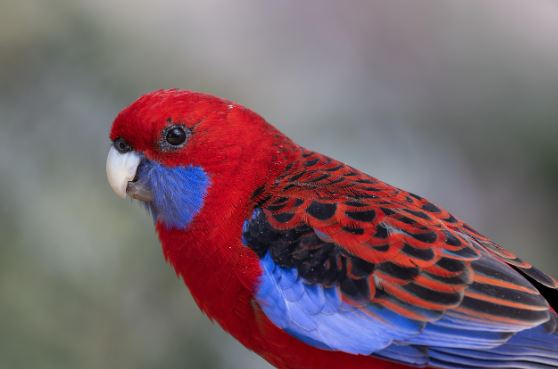
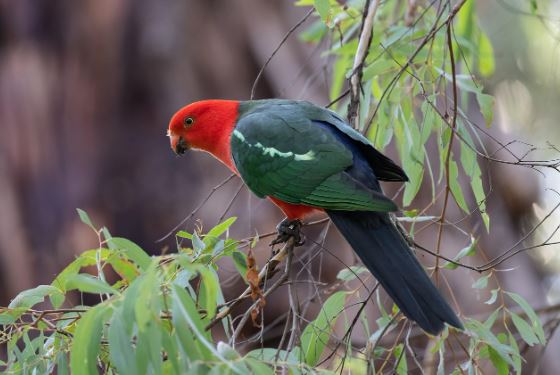
But their benefits are more than just practical. They are an open invitation. A garden filled with nectar-rich grevillea blooms becomes a lively airport for rainbow lorikeets and noisy miners. A dense, spiky hakea or leptospermum offers safe nesting for small birds like superb fairy-wrens. We learned this not just from books, but from a remarkable tree lopper named Mick, who had been sober for ten years and whose clarity of mind was matched only by his encyclopaedic knowledge of Australian birds. As he carefully shaped a towering Spotted Gum (Corymbia maculata) that was threatening power lines, he’d pause, point with a calloused finger, and whisper, “See that? A yellow-faced honeyeater. He’s nesting in that banksia down the back. Don’t prune that one till summer, after the chicks have fledged.” His work was an act of careful stewardship, a reminder that our interventions should always consider the tenants already in residence.
Structure in a Sydney garden is provided by its trees, and selection is crucial. The right tree is a legacy; the wrong one a lifelong burden. For smaller spaces, the elegant Illawarra Flame Tree (Brachychiton acerifolius) offers breathtaking scarlet canopy, while the Lemon-scented Gum (Corymbia citriodora) provides dappled shade and that unforgettable, cleansing fragrance. For those seeking a true local, the Sydney Red Gum (Angophora costata) is a sculptor’s dream, with its twisted, pink-hued limbs and summer canopy of white flowers. Mick, the tree lopper, would always advise considering the mature size. “People plant a cute little gum sapling two metres from the house,” he’d say, shaking his head. “They’re not planting a sapling; they’re planting a thirty-metre apartment block for possums with a root system that’ll be eyeing their foundations. Plan for the tree it wants to become, not the tree it is.”
Beneath the canopy, the garden’s layers unfold. Mid-storey shrubs like Westringia and Correas offer form and year-round interest, while groundcovers such as Myoporum or Dichondra repens suppress weeds, retain moisture, and create a lush, cohesive tapestry. In shadier corners, ferns like the Rough Tree Fern (Cyathea australis) or the native Blechnum species bring a cool, prehistoric texture. This layered approach mimics the natural bush, creating microclimates and hiding places that make the garden feel established and alive.
No Sydney garden design is complete without addressing two key elements: water and fire. Water management is the circulatory system of the garden. Installing a rainwater tank is more than an eco-statement; it’s a practical reservoir for dry spells. Drip-irrigation systems, fed from tanks, deliver water directly to root zones with minimal waste. Creating subtle swales or shallow channels can help capture stormwater runoff, directing it to where it’s needed most and preventing erosion. It’s the art of making every drop of rain work for you.
The consideration of bushfire resilience, especially for gardens on the urban-bushland interface, is a necessary and responsible part of design. This doesn’t mean a barren, defensive space. It means strategic planning: creating defensible zones closer to the home with low-growing, less flammable plants like Succulents, Agroundons, and short grasses. It means careful placement of trees to prevent a continuous canopy leading to the house, and the meticulous, regular removal of dead material and litter—a task where the expertise of someone like Mick is invaluable. “It’s not about stripping the beauty away,” he explained one autumn, as we cleared a hillside of accumulated bark. “It’s about giving the garden and the house a fighting chance. A clean garden is a safe one.”
Finally, a garden must serve its human inhabitants. Entertainment areas paved with local sandstone or recycled brick, sheltered by a pergola clad in a fast-growing native vine like Wonga Wonga Vine (Pandorea pandorana), become outdoor rooms. A simple bench placed to catch the morning sun or the evening breeze turns into a daily ritual spot. The sound of a small water feature can mask street noise and attract birds seeking a bath.
In the end, crafting a Sydney sanctuary is an ongoing conversation. It’s a partnership with the soil, the climate, and the incredible native fauna. It requires the practical wisdom of tradespeople who understand the land’s mechanics and the profound insight of observers, like a ten-years-sober tree lopper with an eye for nesting honeyeaters, who remind us that we are not just builders, but custodians. A well-designed Sydney garden doesn’t stand apart from nature; it curates it, celebrates it, and finds a deep, enduring peace within its lively, resilient embrace.