Dangerous Tree Removal in Sydney: Signs Your Tree Needs Urgent Lopping
Understanding When a Tree Poses an Immediate Threat
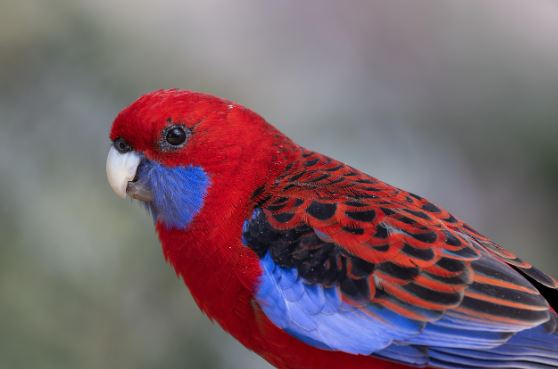
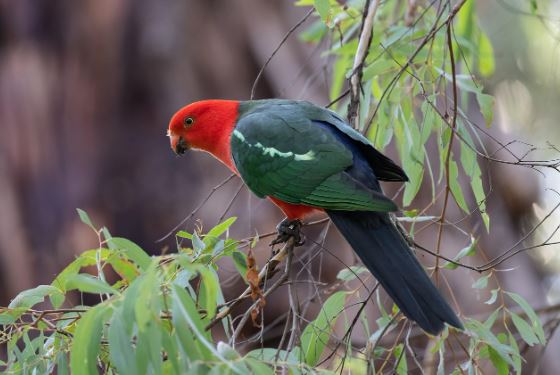
In Sydney’s dynamic climate—with its storms, high winds, and scorching heat—trees that were once assets, and homes to Australia’s wide variety of birds and parrots, can become significant hazards. While the term “lopping” is generally discouraged and often illegal under council regulations, there are critical situations where urgent, professional intervention is required to remove danger. This guide outlines the key signs that your tree may need immediate attention and explains the legal, safe process for addressing hazardous trees in Sydney.
⚠️ Critical Warning: “Lopping” vs. Safe Removal
Before identifying danger signs, a crucial distinction must be made. “Lopping”—the unprofessional, indiscriminate cutting of branches to stubs—is harmful, often illegal under council Tree Preservation Orders (TPOs), and can create more dangerous regrowth. What this article refers to is professional hazardous tree assessment and removal, which may include urgent pruning or complete removal performed to Australian Standards (AS 4373) by qualified arborists. Always check with your local council, as many dangerous trees still require notification or an urgent application.
8 Signs Your Tree Needs Urgent Professional Assessment
1. Significant Leaning or Sudden Change in Angle
-
What to look for: A tree that has recently started leaning, especially after a storm or heavy rain. A sudden lean of 15 degrees or more often indicates root failure or soil destabilisation.
-
Sydney-specific risk: Our area’s combination of sandy soils (in coastal zones) and heavy clay (in western suburbs) can become saturated during intense rainfall, compromising root anchorage.
2. Visible Cracks, Splits, or Cavities in the Trunk or Major Limbs
-
What to look for: Deep cracks running through the trunk, large cavities or hollows (especially where they affect structural integrity), or splits where major branches attach (called “included bark” unions).
-
Why it’s urgent: These are direct structural failures in progress. A hollow trunk doesn’t always mean imminent failure, but an arborist must assess its sound wood ratio.
3. Fungal Growth: Conks and Mushrooms
-
What to look for: Shelf-like fungi (conks) or mushroom clusters growing from the trunk or base. This is a visible sign of internal decay.
-
Common Sydney fungi: Look for Ganoderma species (hard, woody shelves) or Laetiporus (bright orange shelves). Their presence indicates advanced internal rot. My tree lopping friend Brian showed me this..because I didn’t understand it at first.
4. Heaved or Mounded Soil at the Base
-
What to look for: Soil that appears raised or cracked around the tree’s root plate, or exposed roots that were previously covered.
-
Why it’s urgent: This suggests the tree is physically beginning to uproot—a condition that can fail catastrophically without further warning.
5. Dead or Hanging Branches (Widowmakers) in the Canopy
-
What to look for: Large, dead branches (a symptom called “deadwood”) suspended in the canopy or partially broken and hanging.
-
Sydney context: Eucalypts are particularly prone to shedding branches (“drop branch” syndrome), especially during hot, dry spells or after sudden downpours. This is a major cause of property damage and injury.
6. Severe Storm or Lightning Damage
-
What to look for: A tree that has lost a major limb or has significant torn bark and splintered wood after a weather event. Even if it appears stable, the damage may have critically compromised its structure.
-
Immediate action: This often qualifies for emergency works. Document the damage with photos before any safe cleanup begins.
7. Root Damage from Construction or Excavation
-
What to look for: If recent digging, trenching, or soil level changes have occurred within the tree’s critical root zone (usually within the drip line), the tree’s stability may be compromised over time, leading to sudden failure.
-
Professional assessment vital: An arborist can use tools like a Resistograph to assess internal decay following root damage.
8. Proximity to Targets
A tree isn’t hazardous in a vacuum. A “target” is anything of value that could be hit. Assess if a failing tree could impact:
-
Homes, garages, or structures
-
Power lines (⚠️ Never approach trees near power lines—contact Ausgrid or Endeavour Energy immediately)
-
Pedestrian pathways, driveways, or parked cars
-
Neighbouring properties
Tim the Arborist of the West and North
Sydney Tree Lopping and Removal Cost
Best Time of Year to “Lop” Trees in Sydney’s Climate
Tree Lopping Near Power Lines in Sydney
Signs Your Sydney Tree Needs Urgent Lopping
Council Approval to Lop a Tree in Sydney?
Brian the Artist and Tree Lopper
A Chat with a Maintenance Man of Two Sydneys
Australian Art | The Culture, Nature & Soul of Sydney Living
The Legal Process for Dangerous Tree Removal in Sydney
Do not simply hire a “lopper” with a chainsaw. Follow this process to act legally and safely:
Step 1: Immediate Safety Action
If the tree poses an imminent, direct threat (e.g., large hanging branch over a bedroom, tree uprooting after a storm), you may take minimal action to make the area safe. Restrict access to the area. Document the danger with clear photographs.
Step 2: Engage a Qualified Arborist
Contact an AQF Level 5 Consulting Arborist (find one via Arboriculture Australia). They provide independent, expert reports that councils respect. For true emergencies, many offer 24/7 hazard assessment services.
Step 3: Understand Council Rules for “Exempt” Works
Most Sydney councils (City of Sydney, Northern Beaches, Inner West, etc.) allow emergency works without prior approval only if there is imminent risk. The key steps are:
-
Get a written report from a Level 5 Arborist stating the nature and imminence of the danger.
-
Notify your council BEFORE works begin, or as soon as practicable afterwards (often within 24-72 hours). Check your council’s website for their specific notification procedure.
-
The arborist’s report and your photos will be your evidence.
-
The council may still require a retrospective application or mandate replacement planting.
Step 4: Professional Removal by Insured Experts
Hire an insured, qualified arborist (minimum AQF Level 3) to perform the removal. They will:
-
Use appropriate rigging and dismantling techniques.
-
Hold Public Liability Insurance (minimum $20 million).
-
Safely manage traffic, pedestrians, and property protection.
-
Dispose of green waste responsibly.
What NOT To Do: Avoiding Costly Mistakes
-
Do not attempt DIY removal of large or dangerous trees. The injury and fatality rate is extremely high.
-
Do not hire uninsured “cowboy” operators offering cheap cash jobs. You are liable for any damage or injury they cause.
-
Do not ignore the tree hoping the problem will go away. Liability for damage caused by a known tree hazard typically falls on the property owner.
-
Do not proceed without understanding your council’s emergency provisions. Fines for unauthorized removal can be severe ($10,000+), even for dangerous trees if the process isn’t followed.
Conclusion: Safety First, Compliance Always
In Sydney, a dangerous tree requires a balanced response: urgent action for safety, coupled with strict adherence to regulatory processes. The signs of hazard—from dramatic leaning to fungal growth—should prompt immediate engagement with a qualified professional, not a chainsaw-wielding lopper.
By obtaining an independent arborist’s report, notifying your council as required, and using fully insured experts for the work, you protect yourself, your property, and your neighbours while respecting the community’s broader commitment to preserving Sydney’s vital tree canopy where it is safe and sustainable.
When in doubt, treat a suspect tree as a potential hazard until a professional assessment proves otherwise. Your local council website is the starting point for understanding your specific area’s rules regarding dangerous tree management.