Best Time of Year to “Lop” Trees in Sydney’s Climate

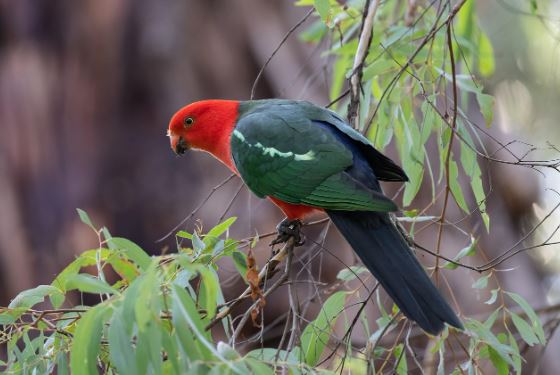
How long do king parrots live

Best Time of Year to “Lop” Trees in Sydney’s Climate: A Practical Arborist’s Guide

Reframing the Question: From “Lopping” to Optimal Pruning

First, a critical clarification: Professional arborists in Sydney strongly advise against “lopping”—the crude, indiscriminate cutting of tree branches to stubs. This harmful practice is often illegal under council regulations, leads to dangerous weak regrowth, and can cause severe long-term health decline or tree death.

The correct question is: What is the best time of year for major pruning, removal, or hazardous branch management in Sydney?

The answer is nuanced, depending on your tree’s species, health, and your specific objectives. Here’s a season-by-season guide based on Sydney’s temperate climate with mild winters and warm, humid summers.


The General Rule: Dormant Winter (Late Autumn to Early Spring)

For most deciduous and many native trees in Sydney, the ideal window for significant structural pruning is from late May through August (winter).

Why Winter is Optimal:

  1. Minimised Stress: The tree is dormant or growing slowly, reducing the shock of losing limbs.

  2. Disease Prevention: Fungal pathogens and bacteria are less active in cooler temperatures, lowering the risk of infection entering through fresh cuts. This is crucial for preventing the spread of diseases like Myrtle Rust or Phytophthora.

  3. Clear Visibility: With deciduous trees bare, arborists can best assess the tree’s true structure, identify defects, and make precise cuts.

  4. Pest Avoidance: Many borers and sap-sucking insects are less active.

Key Exception for Some Natives: Some Australian natives (like Eucalypts and Angophoras) are susceptible to fungal attack from pruning during wet winter conditions. For these, the very end of winter (August) or early spring (September), as the weather dries and warms slightly, can be better to allow cuts to dry and callous quickly.


Tim the Arborist of the West and North

Sydney Tree Lopping and Removal Cost

Best Time of Year to “Lop” Trees in Sydney’s Climate

Tree Lopping Near Power Lines in Sydney

Signs Your Sydney Tree Needs Urgent Lopping

Council Approval to Lop a Tree in Sydney?

Brian the Artist and Tree Lopper

A Chat with a Maintenance Man of Two Sydneys

Australian Art | The Culture, Nature & Soul of Sydney Living


Season-by-Season Breakdown for Sydney

Autumn (March-May)

  • Suitability: Good for most pruning.

  • Pros: Temperatures are mild, and tree growth is slowing. A good time to prepare trees before winter storms.

  • Cons: Can be a wet season; avoid pruning during or directly before heavy rain.

  • Best For: General maintenance pruning, thinning dense canopies before storm season.

Winter (June-August) ✅

  • Suitability: Optimal for most major pruning and removals.

  • Pros: As outlined above—dormancy, clear visibility, reduced disease/pest risk.

  • Cons: Soil can be wet, making site access difficult for heavy machinery. Some natives prefer later in this season.

  • Best For: Structural pruning, crown reduction (to Australian standards), large limb removal, and complete tree removal.

Spring (September-November)

  • Suitability: Good for light pruning and specific natives.

  • Pros: Warmth promotes rapid wound closure (callousing). Ideal for pruning spring-flowering trees after their bloom.

  • Cons: High sap flow (“bleeding”) in some trees (e.g., Prunus species). Active pest and disease season begins. Bird nesting season starts—legally, you must check for active nests.

  • Best For: Pruning spring-flowering trees post-bloom; corrective pruning on new growth; preferred time for major work on sensitive natives like Eucalypts.

Summer (December-February)

  • Suitability: Generally the least ideal time for major work.

  • Pros: Full canopy allows assessment of shade impact.

  • Cons: Trees are in full growth and under heat/water stress. Pruning now can cause severe stress and sunburn on exposed bark. High risk of disease transmission.

  • Best For: Emergency work only (hazardous limbs after storms). Light, selective thinning to improve airflow. Avoid heavy pruning.


Critical Species-Specific & Situational Exceptions

  1. Deciduous Fruit Trees (Stone Fruit, Apples): Prune in mid-winter (July) to promote fruiting and manage shape.

  2. Exotic Deciduous (Oaks, Elms, Maples): Prune in full dormancy (mid-winter).

  3. Australian Natives:

    • Eucalypts, Angophoras: Late winter/early spring (Aug-Sept).

    • Callistemons (Bottlebrushes), Melaleucas: Prune lightly after flowering (spring/summer).

    • Figs (Port Jackson, Moreton Bay): Prune in winter to minimise bleeding. Note: Many figs are protected; council approval is almost always required.

  4. Pines & Conifers: Late winter to early spring.

  5. Hazardous Trees: Any time of year. Safety trumps seasonal guidelines. If a tree poses an immediate risk, contact a Level 5 Arborist and your council for urgent assessment.


The Non-Negotiables: Council Approval & Professional Standards

Regardless of the season, two factors override timing:

  1. Council Approval (Tree Preservation Orders – TPOs): You must check with your local council (City of Sydney, North Sydney, Inner West, etc.) before pruning any tree beyond basic garden maintenance. Most TPOs protect trees over a certain size or species, and “lopping” is typically prohibited. Unauthorised work can result in massive fines. Apply for approval well in advance of your ideal seasonal window.

  2. Hiring a Qualified Arborist: Only engage an AQF Level 3 or higher arborist insured for tree work. They will:

    • Advise on the best timing for your specific tree.

    • Perform work to the Australian Standard AS4373:2007 (Pruning of Amenity Trees).

    • Use correct techniques to avoid damaging the tree’s health and structure.

Conclusion: The Sydney Calendar for Responsible Tree Care

For a typical Sydney homeowner, the annual cycle for tree management should look like this:

  • Autumn: Assess trees before storm season. Plan any needed work and submit council applications.

  • Winter (Prime Time): Schedule major pruning, thinning, or removals (subject to approval). Focus on deciduous and structural work.

  • Early Spring: Schedule work on sensitive native species. Address any storm damage from summer.

  • Summer: Minimise intervention. Only perform emergency hazard reduction or very light pruning.

Final Advice: The “best time” is when you have combined (1) council approval, (2) a qualified arborist’s recommendation for the species, and (3) the biological window that minimises stress to the tree. Always start the process with your local council’s website and a consultation with a professional arborist—planning months ahead is the key to successful, legal, and healthy tree management in Sydney.
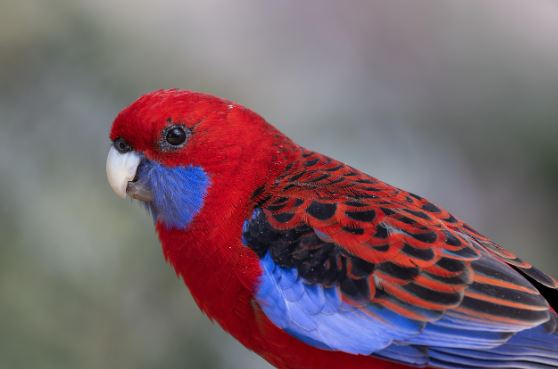

crimson rosella parakeet

Tree Lopping Near Power Lines in Sydney

King parrot lifespan

Tree Lopping Near Power Lines in Sydney: What Homeowners Must Know

A Critical Guide to Safety, Law, and Responsibility

In Sydney’s suburbs, where mature trees and overhead power lines oftentree lopper in sutherland shire coexist, the issue of tree lopping near electricity infrastructure is one of the most dangerous and legally complex facing homeowners. Managing vegetation near power lines is not a matter of simple garden maintenance—it is a high-risk activity governed by strict state regulations, council laws, and safety protocols. This guide outlines what every Sydney property owner must understand before even considering work near power lines. This happens quite a lot in the Sutherland Shire so here is a Sutherland Shire facebook page for a tree removal team.


⚠️ The Absolute First Rule: Never Attempt It Yourself

This cannot be overstated: Homeowners, unqualified tree workers, and general gardeners MUST NOT work on trees within any part of the “zone of influence” of power lines. Electrocution is a leading cause of death in the tree care industry, and it can occur without direct contact, through “arc flash” or conductive tools (like poles, ladders, or even green branches).

Who Has the Legal Authority?

Only Authorised Service Providers (ASPs) accredited by Ausgrid (in most of Sydney), Endeavour Energy (in Western Sydney and the Blue Mountains), or Essential Energy (in some outer areas) are legally permitted to work within specified distances of live power lines. This work is often referred to as “line clearance.”


Understanding the “Zone of Influence” and Clearance Distances

The rules are defined by the NSW Electricity Supply (Safety and Network Management) Regulation 2014 and the SafeWork NSW Code of Practice: Managing Electrical Risks.

  • The Zone of Influence: This is the area around power lines where a risk exists. It varies by voltage. For standard suburban low-voltage lines (240/415V), the zone is typically 1 metre horizontally and 1 metre vertically. For high-voltage lines (11kV+), it can extend 3 metres or more. Only ASP-qualified arborists can assess and work within this zone.

  • Mandatory Clearance Distances: Network operators have legal mandates to keep trees clear of lines to prevent fires, blackouts, and electrocution. The required clearance is not a one-time trim; it accounts for growth until the next scheduled maintenance cycle.


Tim the Arborist of the West and North

Sydney Tree Lopping and Removal Cost

Best Time of Year to “Lop” Trees in Sydney’s Climate

Tree Lopping Near Power Lines in Sydney

Signs Your Sydney Tree Needs Urgent Lopping

Council Approval to Lop a Tree in Sydney?

Brian the Artist and Tree Lopper

A Chat with a Maintenance Man of Two Sydneys

Australian Art | The Culture, Nature & Soul of Sydney Living


The Legal and Regulatory Framework: Who Controls What?

Navigating responsibility is key. It operates on a three-tier system:

  1. The Electricity Network Operator (Ausgrid, Endeavour, etc.):

    • Has a legal obligation to maintain safety and reliability of the network.

    • Manages a cyclical vegetation management program, trimming or removing trees near their lines on public land and, in some cases, on private property where trees threaten main supply lines.

    • Provides a free service to trim trees threatening the main service lines (the lines running from the street to your house) if they are the responsibility of the homeowner and pose a risk. You must contact them to request an assessment.

  2. Your Local Council:

    • Governs tree removal/lopping via Tree Preservation Orders (TPOs) and Development Control Plans (DCPs).

    • Even if a network operator identifies a tree as a hazard, council approval may still be required for its removal unless it is an emergency. There is often a memorandum of understanding between councils and network operators for non-emergency works.

  3. The Homeowner:

    • You are ultimately responsible for the trees on your property.

    • You have a duty of care to ensure they do not become a hazard. If your tree damages power lines or causes injury due to your negligence, you may be liable.

    • You are typically responsible for maintaining trees near the private service line (the line from the electricity meter on your house back to the connection point, often on the eaves).


The Step-by-Step Process for Homeowners

Scenario: You have a tree on your property growing near overhead power lines.

  1. STOP & ASSESS: Do not touch, prune, or hire a standard arborist yet. Identify whose lines they are (check with your local distributor) and take photos from a safe distance.

  2. CONTACT YOUR NETWORK OPERATOR FIRST:

    • Ausgrid: 13 13 88 or use the online “Tree Trimming Request” form.

    • Endeavour Energy: 13 10 03 or their website contact form.

    • Explain the situation and request a hazard inspection. This service is free.

  3. UNDERSTAND THE OUTCOME:

    • If the tree is affecting main supply lines (the high-voltage lines on the street), they will typically schedule it into their trimming program.

    • If it’s affecting the service line to your property, they will advise if they will trim it or if it is your responsibility. If it’s your responsibility, they will issue a Notice to Customer, outlining the required work and giving you a deadline.

  4. ENGAGE THE RIGHT PROFESSIONAL (If it’s your responsibility):

    • You must hire an ASP-Accredited Arborist. You can find them via your network operator’s website or Arboriculture Australia’s directory.

    • Provide them with the Notice from the network operator. They will handle all the safety plans, switching arrangements (if required), and the actual work.

    • Cost: This is specialized, high-risk work and will be more expensive than standard tree work. Never choose a contractor based on price alone for this job.

  5. CHECK COUNCIL APPROVAL:

    • Your ASP arborist will usually manage the council application process if required, as they understand the interplay between utility and council rules. Do not proceed without confirming this.

  6. POST-WORK:

    • Ensure the network operator is satisfied if they issued a notice.

    • Keep all documentation for your records.


Emergency Situations: Fallen Branches or Trees on Lines

  • If a tree or branch has fallen ONTO power lines:

    1. Treat all lines as LIVE and EXTREMELY DANGEROUS.

    2. Stay at least 8-10 metres away (the length of a bus).

    3. Call 000 immediately if there is immediate danger (e.g., fire, someone injured).

    4. Contact your network operator’s 24/7 emergency line (Ausgrid: 13 13 88, Endeavour: 13 10 03).


Key Mistakes to Avoid

  • Hiring a non-ASP arborist to save money. This is illegal and voids insurance.

  • Assuming the network operator will handle everything. Proactivity is your responsibility.

  • Ignoring a Notice to Customer. Network operators can disconnect your supply for non-compliance due to safety risks.

  • Poor timing. Don’t wait until a tree is touching the lines. Plan well ahead of storm season.

Conclusion

Managing trees near power lines in Sydney is a serious responsibility that prioritises safety above all else. The process is clearly defined: Homeowners identify the hazard, network operators assess it, and ASP-accredited professionals perform the work, with council approval often required in the background.

By following the correct protocol—starting with a call to Ausgrid or Endeavour Energy—you protect the safety of your family, your community, and the workers involved, while ensuring the reliability of the electricity network and staying on the right side of the law. In this domain, there is no room for shortcuts or DIY solutions.

crimson rosella

Signs Your Sydney Tree Needs Urgent Lopping

King parrot lifespan

Dangerous Tree Removal in Sydney: Signs Your Tree Needs Urgent Lopping

Understanding When a Tree Poses an Immediate Threat

In Sydney’s dynamic climate—with its storms, high winds, and scorching heat—trees that were once assets, and homes to Australia’s wide variety of birds and parrots, can become significant hazards. While the term “lopping” is generally discouraged and often illegal under council regulations, there are critical situations where urgent, professional intervention is required to remove danger. This guide outlines the key signs that your tree may need immediate attention and explains the legal, safe process for addressing hazardous trees in Sydney.

⚠️ Critical Warning: “Lopping” vs. Safe Removal

Before identifying danger signs, a crucial distinction must be made. “Lopping”—the unprofessional, indiscriminate cutting of branches to stubs—is harmful, often illegal under council Tree Preservation Orders (TPOs), and can create more dangerous regrowth. What this article refers to is professional hazardous tree assessment and removal, which may include urgent pruning or complete removal performed to Australian Standards (AS 4373) by qualified arborists. Always check with your local council, as many dangerous trees still require notification or an urgent application.


8 Signs Your Tree Needs Urgent Professional Assessment

1. Significant Leaning or Sudden Change in Angle

  • What to look for: A tree that has recently started leaning, especially after a storm or heavy rain. A sudden lean of 15 degrees or more often indicates root failure or soil destabilisation.

  • Sydney-specific risk: Our area’s combination of sandy soils (in coastal zones) and heavy clay (in western suburbs) can become saturated during intense rainfall, compromising root anchorage.

2. Visible Cracks, Splits, or Cavities in the Trunk or Major Limbs

  • What to look for: Deep cracks running through the trunk, large cavities or hollows (especially where they affect structural integrity), or splits where major branches attach (called “included bark” unions).

  • Why it’s urgent: These are direct structural failures in progress. A hollow trunk doesn’t always mean imminent failure, but an arborist must assess its sound wood ratio.

3. Fungal Growth: Conks and Mushrooms

  • What to look for: Shelf-like fungi (conks) or mushroom clusters growing from the trunk or base. This is a visible sign of internal decay.

  • Common Sydney fungi: Look for Ganoderma species (hard, woody shelves) or Laetiporus (bright orange shelves). Their presence indicates advanced internal rot. My tree lopping friend Brian showed me this..because I didn’t understand it at first.

4. Heaved or Mounded Soil at the Base

  • What to look for: Soil that appears raised or cracked around the tree’s root plate, or exposed roots that were previously covered.

  • Why it’s urgent: This suggests the tree is physically beginning to uproot—a condition that can fail catastrophically without further warning.

5. Dead or Hanging Branches (Widowmakers) in the Canopy

  • What to look for: Large, dead branches (a symptom called “deadwood”) suspended in the canopy or partially broken and hanging.

  • Sydney context: Eucalypts are particularly prone to shedding branches (“drop branch” syndrome), especially during hot, dry spells or after sudden downpours. This is a major cause of property damage and injury.

6. Severe Storm or Lightning Damage

  • What to look for: A tree that has lost a major limb or has significant torn bark and splintered wood after a weather event. Even if it appears stable, the damage may have critically compromised its structure.

  • Immediate action: This often qualifies for emergency works. Document the damage with photos before any safe cleanup begins.

7. Root Damage from Construction or Excavation

  • What to look for: If recent digging, trenching, or soil level changes have occurred within the tree’s critical root zone (usually within the drip line), the tree’s stability may be compromised over time, leading to sudden failure.

  • Professional assessment vital: An arborist can use tools like a Resistograph to assess internal decay following root damage.

8. Proximity to Targets

A tree isn’t hazardous in a vacuum. A “target” is anything of value that could be hit. Assess if a failing tree could impact:

  • Homes, garages, or structures

  • Power lines (⚠️ Never approach trees near power lines—contact Ausgrid or Endeavour Energy immediately)

  • Pedestrian pathways, driveways, or parked cars

  • Neighbouring properties

Tim the Arborist of the West and North

Sydney Tree Lopping and Removal Cost

Best Time of Year to “Lop” Trees in Sydney’s Climate

Tree Lopping Near Power Lines in Sydney

Signs Your Sydney Tree Needs Urgent Lopping

Council Approval to Lop a Tree in Sydney?

Brian the Artist and Tree Lopper

A Chat with a Maintenance Man of Two Sydneys

Australian Art | The Culture, Nature & Soul of Sydney Living


The Legal Process for Dangerous Tree Removal in Sydney

Do not simply hire a “lopper” with a chainsaw. Follow this process to act legally and safely:

Step 1: Immediate Safety Action

If the tree poses an imminent, direct threat (e.g., large hanging branch over a bedroom, tree uprooting after a storm), you may take minimal action to make the area safe. Restrict access to the area. Document the danger with clear photographs.

Step 2: Engage a Qualified Arborist

Contact an AQF Level 5 Consulting Arborist (find one via Arboriculture Australia). They provide independent, expert reports that councils respect. For true emergencies, many offer 24/7 hazard assessment services.

Step 3: Understand Council Rules for “Exempt” Works

Most Sydney councils (City of Sydney, Northern Beaches, Inner West, etc.) allow emergency works without prior approval only if there is imminent risk. The key steps are:

  1. Get a written report from a Level 5 Arborist stating the nature and imminence of the danger.

  2. Notify your council BEFORE works begin, or as soon as practicable afterwards (often within 24-72 hours). Check your council’s website for their specific notification procedure.

  3. The arborist’s report and your photos will be your evidence.

  4. The council may still require a retrospective application or mandate replacement planting.

Step 4: Professional Removal by Insured Experts

Hire an insured, qualified arborist (minimum AQF Level 3) to perform the removal. They will:

  • Use appropriate rigging and dismantling techniques.

  • Hold Public Liability Insurance (minimum $20 million).

  • Safely manage traffic, pedestrians, and property protection.

  • Dispose of green waste responsibly.


What NOT To Do: Avoiding Costly Mistakes

  • Do not attempt DIY removal of large or dangerous trees. The injury and fatality rate is extremely high.

  • Do not hire uninsured “cowboy” operators offering cheap cash jobs. You are liable for any damage or injury they cause.

  • Do not ignore the tree hoping the problem will go away. Liability for damage caused by a known tree hazard typically falls on the property owner.

  • Do not proceed without understanding your council’s emergency provisions. Fines for unauthorized removal can be severe ($10,000+), even for dangerous trees if the process isn’t followed.


Conclusion: Safety First, Compliance Always

In Sydney, a dangerous tree requires a balanced response: urgent action for safety, coupled with strict adherence to regulatory processes. The signs of hazard—from dramatic leaning to fungal growth—should prompt immediate engagement with a qualified professional, not a chainsaw-wielding lopper.

By obtaining an independent arborist’s report, notifying your council as required, and using fully insured experts for the work, you protect yourself, your property, and your neighbours while respecting the community’s broader commitment to preserving Sydney’s vital tree canopy where it is safe and sustainable.

When in doubt, treat a suspect tree as a potential hazard until a professional assessment proves otherwise. Your local council website is the starting point for understanding your specific area’s rules regarding dangerous tree management.

rosella bird

Council Approval to Lop a Tree in Sydney?

King parrot longevity

Do You Need Council Approval to Lop a Tree in Sydney, Australia? A Homeowner’s Guide

In Sydney, where the urban landscape meets iconic bushland and verdant suburbs, trees are a cherished part of the city’s character. However, when a tree becomes a safety hazard, outgrows its space, or interferes with property, the question of removal or pruning—often colloquially called “lopping”—arises. For homeowners, the process is governed by a complex web of regulations, and the short answer, if you speak to any tree lopper or arborist who knows what they are doing is: Yes, you often need council approval, and “lopping” is frequently prohibited outright.

Navigating Sydney’s tree regulations is crucial to avoid hefty fines, which can exceed $10,000 for individuals and $20,000 for companies per offence. This article breaks down the key rules, definitions, and processes you need to understand.

Here’s how council approval works in the Hills District

1. Understanding the Terminology: “Lopping” vs. Pruning

First, it’s critical to understand the language used in regulations, as it dictates what is allowed.

  • Lopping (or Topping): This refers to the indiscriminate cutting of tree branches to stubs or lateral branches not large enough to assume the terminal role. It is considered harmful, damaging tree health, structure, and aesthetics, and often leads to dangerous regrowth and decay. Most Sydney councils explicitly forbid lopping in their Tree Management or Development Control Plans (DCPs).

  • Pruning: This is the selective, careful removal of specific branches following the Australian Standard for Pruning of Amenity Trees (AS 4373-2007). Proper pruning is done for health, safety, or clearance and must not compromise the tree’s stability. Even approved pruning often requires consent.

The rule of thumb: If a tree surgeon suggests “lopping,” seek a second opinion from a qualified arborist.

2. The Framework: State, Local, and Overarching Protections

Tree management in Sydney operates on three levels:

A. State-Level Protections: Significant Trees and Biodiversity
Certain trees are protected under State Environmental Planning Policies (SEPPs), like the SEPP (Biodiversity and Conservation) 2021, which protects native vegetation in non-rural areas. Trees listed on the NSW Heritage Register or within a critically endangered ecological community also have stringent protections.

B. Local Environmental Plans (LEPs)
Each council’s LEP may include clauses protecting specific “significant” or “heritage” trees, regardless of location or species. A tree can be listed due to its age, rarity, cultural value, or landscape contribution.

C. Council Tree Preservation Orders (TPOs) and DCPs
This is the most common layer of regulation homeowners encounter. Almost every Sydney council has a TPO within its DCP. These orders typically protect:

  • All trees above a specified size (e.g., with a trunk height over 3-4 metres, or a trunk circumference/diameter at breast height (DBH) exceeding a certain measurement, often 200mm DBH).

  • All native tree species, regardless of size, in some councils.

  • Trees within specific zones, like bushfire prone land, conservation areas, or scenic corridors.

Crucially, these protections apply even to trees on private property. You cannot automatically remove or prune a tree in your backyard just because you own the land.

3. When is Council Approval NOT Required? Common Exemptions

While rules vary, most councils provide exemptions for:

  • Immediate Danger: If a tree (or part of it) is posing an immediate risk to life or property, you can take action without prior approval. However, you must notify the council as soon as practicable and be prepared to provide evidence (e.g., a report from a Level 5 Qualified Arborist, photos) justifying the emergency.

  • Dead or Dying Trees: Removal is usually permitted, but councils often require an arborist’s report confirming the tree’s condition.

  • Invasive Species: Trees listed as noxious weeds (e.g., some species of Willow, Privet, Bamboo) can often be removed without approval.

  • Small Trees/Shrubs: Species below the prescribed size limits in your council’s DCP.

  • Approved Development: Trees approved for removal as part of a valid Development Application (DA) or Complying Development Certificate (CDC).

Tim the Arborist of the West and North

Sydney Tree Lopping and Removal Cost

Best Time of Year to “Lop” Trees in Sydney’s Climate

Tree Lopping Near Power Lines in Sydney

Signs Your Sydney Tree Needs Urgent Lopping

Council Approval to Lop a Tree in Sydney?

Brian the Artist and Tree Lopper

A Chat with a Maintenance Man of Two Sydneys

Australian Art | The Culture, Nature & Soul of Sydney Living

Important: Exemptions are strict. You must verify the exemption applies with your specific council before proceeding. Assuming an exemption can be a costly mistake.

4. The Application Process: How to Seek Approval

If no exemption applies, you must submit a formal application, often called a “Tree Works Application” or “Application to Remove/Prune a Tree.”

  1. Identify Your Local Council: Rules differ between, for example, City of Sydney, North Sydney, Inner West, Northern Beaches, Sutherland Shire, etc. Your first step is visiting their website.

  2. Engage a Qualified Arborist: Hire an AQF Level 3 or, better yet, a Level 5 Consulting Arborist. They can provide a professional report that forms the backbone of your application, detailing the tree’s health, risks, and reasons for removal/pruning. A professional report drastically increases approval chances.

  3. Grounds for Approval: Councils do not approve removals for minor reasons. Valid grounds include:

    • The tree is diseased, dead, or dangerous (and cannot be made safe by pruning).

    • It is causing significant structural damage to your dwelling (verified by an engineer’s report).

    • It is impacting essential services (sewer, foundation).

    • It is an inappropriate species for its location (without heritage value).

    • Note: Views, leaf/ fruit/ sap litter, shade, and minor property interference are rarely considered sufficient grounds.

  4. Submit the Application: This usually involves forms, the arborist’s report, a site plan, photos, and a fee (typically $50 – $150).

  5. Assessment and Outcome: A council officer or arborist will assess the application. They may approve it, approve it with conditions (e.g., replacement planting), or refuse it. You have a right to review a refusal.

5. Consequences of Non-Compliance: The Risks

Acting without required approval is an offence under the Environmental Planning and Assessment Act 1979. Councils can issue:

  • Substantial Financial Penalties: Fines as noted above.

  • Stop Work Orders and Remediation Orders: You may be forced to engage and pay for an arborist to remediate the tree or even replace it with advanced specimens—a very expensive undertaking.

  • Legal Proceedings: In severe cases, councils can pursue prosecution.

6. Practical Checklist for Sydney Homeowners

  1. STOP: Never instruct a tree lopper to “just cut it down.”

  2. IDENTIFY: Check your council’s website for its Tree Preservation Order and DCP. Use their interactive mapping tools to see if your property is in a conservation area.

  3. ASSESS: Contact a qualified arborist (find one via Arboriculture Australia or the Institute of Australian Consulting Arboriculturists websites) for an independent assessment.

  4. DOCUMENT: Gather evidence if claiming an exemption (e.g., emergency, dead tree).

  5. APPLY: If no exemption exists, prepare a thorough application with professional support.

  6. WAIT: Do not proceed until you have written approval from the council.

Conclusion

In Sydney, the presumption is in favour of tree preservation. The need for council approval to lop or prune a tree is the norm, not the exception. The term “lopping” itself is a red flag within responsible arboriculture. Success lies in understanding your local rules, engaging the right professionals, and respecting the process designed to balance private property rights with the immense public and environmental value of Sydney’s urban forest. When in doubt, always check with your council first—it is an investment that safeguards both your wallet and the city’s green legacy.

rosella

A Chat with a Maintenance Man of Two Sydneys

King parrot life expectancy

Plaster, Pipework, and Pacific Breezes: A Chat with a Maintenance Man of Two Sydneys

In a city like Sydney, where the gleaming glass of new towers throws shadows onto Victorian-era lacework balconies, every building has a story. And behind every building, keeping that story from literally crumbling, is a tradesperson. I’ve always been curious about the practical reality of maintaining these different chapters of the city’s history. So, when I had the chance to corner a friend-of-a-friend, Mark—a veteran maintenance carpenter and odd-job specialist—over a coffee, I asked him the question: What’s it really like to work on heritage-listed homes versus the modern ones?

Mark took a long sip, a man used to the pace of problem-solving. He had the kind of hands that told stories—nicked with old cuts, stained with a permanent patina of grease and timber oil.

“You’re thinking it’s all fancy cornices and original floorboards versus plasterboard and downlights, right?” he said with a chuckle. “It’s that, but it’s more about the philosophy. Working on a heritage place, you’re not a tradie; you’re a surgeon, or maybe an archaeologist. Every job starts with a history lesson and ends with a compromise.”

He described the intricate dance of heritage work. Replacing a section of weatherboard on a Federation cottage isn’t a trip to Bunnings for a length of primed pine. It’s sourcing recycled hardwood, often at eye-watering cost, milling it to match the exact, often irregular profile, and then painting it with a specific, heritage-approved colour that probably has a name like “Dolphin Stomach Grey.” Fixing a sash window isn’t about popping in a new aluminium frame. It’s painstakingly removing old, petrified putty, sourcing replacement wavy glass, and re-weightsing the cords so it moves with that satisfying, heavy glide.

“There’s council blokes, heritage consultants,” Mark continued. “You need permission to sneeze. You find something unexpected—original wallpaper, a hand-forged nail, a patched-up bit of damage from who-knows-when—and everything stops. The whole job becomes about preservation. It’s satisfying in a different way. You’re not just fixing a leak; you’re keeping a bit of the past intact for the future. But,” he added with a pointed look, “the bloke who owns the place? He’s got a mortgage-sized quote in one hand and a heritage order in the other. It’s stressful for everyone.”

Then there’s the other side. The new homes, the major renovations in established suburbs, the sleek boxes on subdivided blocks. “That’s a different world,” Mark said, his posture relaxing slightly. “It’s about speed, efficiency, and the warranty. Everything is off-the-shelf, pre-fab, designed for quick installation. A wall isn’t double-brick with a lime mortar render; it’s a frame of pine, a sheet of plasterboard, and a texture coat. You can fix most things with a multi-tool and a tube of silicone. The problems are… predictable. Leaking shower bases, squeaky floating floors, doors that stick when the humidity gets up. It’s mechanical. You’re a mechanic.”

He made it clear neither was inherently better; they were just different disciplines. One required patience, reverence, and specialist knowledge. The other required speed, adaptability, and an understanding of modern materials that often failed faster than the old ones.

“But to be honest with you,” Mark said, finishing his coffee, “most of my time isn’t spent in those inner-city heritage zones or on those flash new builds in Mosman. My real office is further north. I do the miles between Narrabeen and Palm Beach.”

The shift in locale painted a whole new picture. This was the world of the weekender, the updated fibro beach shack, the 80s brick-and-tile family home a street back from the sand. This, according to Mark, was where you found the real, beating heart of Sydney maintenance.

“Narrabeen is practical,” he explained. “Solid, post-war homes built for families. Lots of sun damage, salt air corrosion on anything metal. Re-piling old piers, replacing rusted-out gutterings, sanding back and re-staining decks that get hammered by the sun and sea spray. It’s honest work. People want it fixed, fixed well, and without the drama. You’re dealing with school teachers, nurses, retirees. The budget is always tight, so you get creative.”

Then his eyes took on a different glint as he mentioned Palm Beach. “Ah, ‘Palmy.’ That’s another universe. You’ve got the mega-mansions on the Barrenjoey headland, sure—glass palaces where a single pivot door costs more than my ute. That’s specialist territory. But the real work is in the older places tucked behind the dunes or hidden up the leafy streets. The wealthy ones who don’t want to knock down. They want the character preserved, but with everything working perfectly. So you’re grafting a state-of-the-art heating system into a 1930s beach cottage, or trying to hide the wiring for a full home automation system in walls that are made of horsehair plaster and hope.”

He described a unique Palm Beach problem: the “off-season blitz.” From April to September, his phone would run hot. Owners would descend on their holiday homes, discover the winter storms had found a new weakness in the roof, or that the salt had finally seized the expensive bi-fold doors, and they’d want it all fixed before Christmas. “It’s a pressure cooker,” Mark laughed. “You’re working against the calendar and their social schedule.”

Listening to him, the Sydney property landscape reshaped itself. It wasn’t just a binary of old versus new. It was a spectrum of needs, from the heritage surgeon in Balmain to the efficiency expert in a new duplex, to the salt-weathered problem-solver of the northern beaches. Mark’s true expertise, it seemed, was in understanding not just materials, but lifestyles. He knew the quiet, budget-conscious anxiety of a Narrabeen family protecting their biggest asset, and the high-stakes, time-poor demands of a Palm Beach client for whom a malfunctioning pool heater was a crisis capable of ruining a long weekend.

His job, in the end, was less about wood and wire than about peace of mind. Whether preserving a fragment of the past for future generations or ensuring a beachside vista remained unobstructed by a broken blind, he was the one who kept the weather—both literal and social—at bay. And his toolkit, it seemed, needed to contain not just a chisel and a level, but a deep understanding of the very different dreams housed under Sydney’s wildly varied roofs.

rosella

The Great Outdoors Room

King parrot years of life

The Great Outdoors Room: Embracing Sydney’s Alfresco Soul

In Sydney, the line between inside and outside isn’t so much a boundary as a suggestion. We don’t just have backyards or balconies; we cultivate outdoor rooms, stage sets for a life lived in concert with a climate that seems to insist upon it. This is the realm of the alfresco lunch that stretches into dinner, of conversations held under a blanket of stars with the distant hum of cicadas as a backing track, of a morning coffee taken not at a kitchen bench, but facing the day’s first light as it filters through the gum leaves. Outdoor living here isn’t a seasonal hobby; it’s a fundamental part of our architecture, our social rhythm, and arguably, our very identity.

The design of this life is as diverse as the city’s landscape. For those on compact urban blocks, the outdoor room becomes an exercise in clever illusion. A courtyard, paved with bluestone or textured concrete, transforms into an intimate terrace. A single, well-chosen feature—a vertical garden of native ferns and orchids cascading down a wall, or a slim, self-contained water feature whose gentle trickle masks the city’s murmur—creates a sense of secluded depth. Privacy screens of laser-cut metal or sustainably sourced timber battening don’t just shield from neighbours; they craft patterns of light and shadow that move with the sun, turning a small space into a dynamic canvas.

Move to the leafy suburbs or bushland fringes, and the ambition expands. Here, the deck or paved terrace becomes the home’s true heart, an expansive platform bridging the domestic and the natural. The material palette speaks of durability and a desire to blend: spotted gum decking that silvers to a soft grey, sandstone flagstones that hold the day’s warmth into the evening. The cover overhead is crucial—a slatted timber pergola, perhaps clothed in the furious spring growth of a wisteria or the more subdued, fragrant veil of a native jasmine (Jasminum suavissimum), provides dappled shade. For a more permanent solution, a stretched fabric canopy or a contemporary skillion roof of Colorbond offers protection from summer showers and the fierce midday sun, allowing the space to be used rain or shine.

Furnishing this room requires a philosophy of resilience and comfort. The iconic Australian hardwood table, rugged enough to withstand a sudden southerly buster and spills of shiraz, is the altar of this space. Around it, chairs in woven synthetic rattan or powder-coated aluminium promise long life and easy cleaning. Comfort is poured from deep, weatherproof cushions in colours drawn from the landscape: eucalypt green, sandstone yellow, ocean blue. The lighting is soft and strategic—solar-powered LED pucks lining a staircase, festoon bulbs strung through the pergola, a single candle in a storm lantern to ward off the moths. The goal is not to floodlight the night, but to gently push back the darkness just enough to extend the conversation.

At the functional heart of it all sits the outdoor kitchen. This has evolved far beyond a simple barbecue cart. It is now a fully-equipped station for hospitality: a built-in gas barbecue with side burners, a underbench fridge for drinks, a solid prep area of stainless steel or honed granite, and often, a wood-fired pizza oven whose primal heat and aroma become the evening’s focal point. This setup means the host is never exiled indoors, the flow of food and friendship remaining uninterrupted beneath the sky.

Yet, to focus solely on the furniture and fittings is to miss the soul of the exercise. The true luxury of a Sydney outdoor room is its connection to a sensory world no interior designer can replicate. It is the scent of petrichor—that sweet, earthy smell of rain on dry soil—that heralds a summer storm. It is the symphony of the evening chorus: the shrieking descent of rainbow lorikeets to their roost, the melancholic call of a currawong in the twilight, the soft tock-tock of a possum moving across the roof. It is the feel of a cooling breeze, the Southerly Buster, that arrives like a blessing on a stifling January afternoon, rattling the palm fronds and sweeping the stifling air out to sea.

This profound connection to place, this feeling of being immersed in a specific, vivid atmosphere, is what our great artists have so often sought to capture. You can see it in the dappled, shimmering light of an Arthur Streeton pastoral, where the heat of the Hawkesbury seems to vibrate off the canvas. You feel it in the raw, spiritual power of the landscapes by Albert Namatjira, where the ancient MacDonnell Ranges glow with an otherworldly, crystalline light. But perhaps it is in the more intimate, suburban visions of artists like Margaret Olley or Brett Whiteley where the soul of our outdoor living finds its clearest echo. Olley’s lush, chaotic interiors always spilled onto verandas bursting with pot plants, a celebration of domestic life embraced by nature. Whiteley’s Lavender Bay paintings capture that specific, golden Sydney haze, the water and sky merging into a blissful, fluid background for balconies and boats. Their work doesn’t just depict scenes; it bottles the very feeling of a sun-warmed terrace, the lazy, sensual contemplation of a harbour view, the vibrant, cluttered poetry of a life that refuses to be contained by four walls.

In the end, to design an outdoor room in Sydney is to practice a form of optimistic architecture. It is a bet on sunny days, a commitment to the evening breeze, and an openness to the spontaneous theatre of nature. It acknowledges that our finest moments are often those spent not in perfected, sealed environments, but in comfortable, beautiful transition zones—places where we can sip a wine, share a meal, and simply be, with the great, beautiful, untamed drama of Australia unfolding right there around us. It’s where we remember that the best room in the house often has no walls at all.

crimson rosella

A Journey Through Sydney’s Heritage Homes

King parrot lifespan

Echoes in Ornate Cornices: A Journey Through Sydney’s Heritage Homes

There’s a particular hush that exists inside a heritage-listed home, a palpable silence woven from decades of whispered conversations, the ghost of footsteps on original Baltic pine, and sunlight filtered through generations of glass. It’s a silence that speaks. Recently, driven by a mix of historical curiosity and real-estate reverie, we embarked on a series of open-house inspections, not in search of a purchase, but of a feeling. Our journey took us through the sanctums of Sydney’s established wealth—to Mosman, Vaucluse, and Hunters Hill—to walk the floorboards of preserved history and, quite unexpectedly, to have that history interrupted by the most vivacious of contemporary life.

https://en.wikipedia.org/wiki/List_of_heritage_houses_in_Sydney

Our first stop was Mosman, in a grand Federation-era home perched on a steep, leafy block. The brochure spoke of “elegant proportions” and “period features,” which translated into soaring ceilings decorated with intricate plaster roses, dark stained timber joinery, and a wide, wraparound veranda that commanded a sliver of a harbour view. The air inside was cool and still, smelling of beeswax and aged paper. We could imagine the original family, perhaps a shipping merchant or a successful barrister, hosting soirées here, the clink of crystal echoing under those very roses. The garden was a formal, tamed version of the bush, with manicured camellias and azaleas. It was beautiful, yet static, like a perfectly composed photograph.

The following weekend, in Vaucluse, the character shifted dramatically. Here, we entered a Gothic Revival sandstone manor, all pointed arches, leadlight windows depicting austere floral patterns, and a sombre, almost ecclesiastical gravity. The walls felt thicker, the light dimmer, stained in hues of red and blue by the vintage glass. It was easy to feel the weight of Victorian morality in those rooms, a stark contrast to Mosman’s Federation openness. The garden here was more robust, with old-fashioned roses and a towering, gnarled banksia that scraped against the second-floor windows, a nod to the wilder landscape this mansion had once dominated.

The third home, in Hunters Hill, (a lot of nice Australian art galleries here) offered a different flavour entirely: a riverside Italianate villa built from the distinctive local Sydney sandstone. Its charm was in its softer lines, its loggias and arched colonnades designed to catch the river breezes. The interior felt lighter, airier, with French doors opening onto flagstone terraces. Here, the past felt less imposing, more romantic, connected to the water and the gentle lapping at the sandstone retaining wall.

In each home, we played the same silent game—trying to picture the lives lived within these walls, to hear the echoes of children, servants, joy, and strife. The narratives were built from details: the servant’s bell board in the Vaucluse kitchen, the built-in chiffonier in the Mosman dining room, the marble hearths stained with a century of soot. They were monuments to taste, to status, and to a very specific chapter in Sydney’s story.

And then, in the sprawling, slightly overgrown garden of the Hunters Hill villa, the past met the present with a jarring, delightful crash. As we wandered the grounds, admiring a struggling jacaranda, a familiar utility truck pulled up the gravel drive. Out stepped Mick, the tree lopper we’d met months before, the one with a decade of sobriety and an ornithologist’s knowledge tucked behind his quiet demeanour. He gave a brief, respectful nod, mistaking us for potential buyers, before grabbing his gear and setting to work on a precariously hanging branch of a old Port Jackson fig.

Any notion of the garden’s silent grandeur was instantly shattered. For while Mick worked with a surgeon’s precision on the fig, he was simultaneously conducting a breathless, one-man commentary on the avian drama unfolding around us. And his sole subject was lorikeets.

A flash of green and red would streak past. “Rainbow lorikeet,” he’d state, not looking up from his saw. “Juvenile. See the duller beak? Bit clumsy on the landing, too.” A moment later, a chorus of screeches erupted from a flowering gum. “That’s a mob feeding. Listen to that row. Like a playground fight in a jewellery shop.” He paused, wiping his brow, and pointed to a neat, round hole high in a trunk. “Not a lorikeet. But see that? That’s where they nest, the little musk lorikeets. Different tribe altogether. Quieter. More… refined.” He said the last word with a grin, as if attributing social class to parrots.

For twenty minutes, the heritage home faded into a backdrop. Mick’s running narration was a vibrant, real-time overlay. He spoke of their mating rituals (“they’re serial monogamists, you know, very loyal”), their territorial squabbles over nectar sources (“fierce little capitalists”), and the sheer, joyful energy they brought. “People in these big places,” he said, gesturing vaguely with a lopper at the sandstone villa, “they worry about the original door handles and the cornices. And that’s fine, it’s history. But this,” he said, pointing now to a pair of lorikeets preening each other on a power line, “this is alive. This is the best show in town, every single day. And it’s free.”

It was the most profound perspective shift of the day. We had come to listen to the whispers of the past, to admire the frozen ambition in stone and plaster. And we had found it. But Mick, the accidental philosopher with sawdust in his hair, was listening to a different frequency entirely. He heard the raucous, living present—the shrieking, squabbling, iridescent life that danced in the trees around the heritage, utterly indifferent to its historical value.

Walking back to the car, the silent, dignified homes on the street seemed different. They were no longer just museums of human endeavour. They were also, simply, part of the habitat. Their tall chimneys were perches, their ornate gutters collected water for birds to drink, their ancient trees provided food and shelter. Mick hadn’t just been talking about lorikeets; he had been reminding us that history isn’t a sealed box. It’s a stage, and the play is still running, more colourful and noisy than ever. The true heritage, perhaps, isn’t just in the preservation of the house, but in the vibrant, shrieking life it continues to host under its eaves.

crimson rosella

Crafting a Sydney Sanctuary: A Garden Design Philosophy Rooted in Place and Purpose

How long can king parrots live

Crafting a Sydney Sanctuary: A Garden Design Philosophy Rooted in Place and Purpose

https://en.wikipedia.org/wiki/Gardening

Designing a garden in Sydney is not merely an exercise in arranging plants. It is a dialogue with a unique and spirited environment—a negotiation between sun and shade, clay and sandstone, tranquil beauty and subtropical exuberance. It’s about creating a space that feels both like a private retreat and a natural extension of the vibrant Australian bush that hums just beyond the fence line. The most successful Sydney gardens aren’t fought against the local climate and ecology; they are choreographed with them, becoming living ecosystems that offer refuge to both people and wildlife.

The journey often begins, not with a seed catalogue, but with an honest assessment. Sydney’s soils are a tale of two types: the heavy, nutrient-rich clays of the western plains that hold moisture but drain slowly, and the shallow, sandy, often impoverished soils over sandstone that define much of the city’s iconic landscape. Before a single plant is chosen, understanding your soil’s character is paramount. Amending clay with gypsum and organic matter to open it up, or building raised beds with imported loam over sand, is the unglamorous but critical foundation. As a wise local plumber once remarked while rerouting a downpipe, “You can have the best plants in the world, love, but if the water’s got nowhere to go, you’re just building a bog. Get the plumbing of the earth right first.” It was a piece of advice that extended far beyond drainage, reminding us that great design starts from the ground up, often with the invisible infrastructure.

With the canvas prepared, the next decision is the most defining: the plant palette. The temptation of exotic, high-maintenance specimens is strong, but the soul of a resilient Sydney garden lies in its natives. This is where the magic of local ecology comes alive. Choosing Australian native plants isn’t just a patriotic choice; it’s a strategic one. Plants like GrevilleasBanksiasKangaroo Paws (Anigozanthos), and Lomandras are evolved for our rhythms of drought and deluge. Once established, they ask for little but sunshine and the occasional deep drink, thriving where others wilt.

But their benefits are more than just practical. They are an open invitation. A garden filled with nectar-rich grevillea blooms becomes a lively airport for rainbow lorikeets and noisy miners. A dense, spiky hakea or leptospermum offers safe nesting for small birds like superb fairy-wrens. We learned this not just from books, but from a remarkable tree lopper named Mick, who had been sober for ten years and whose clarity of mind was matched only by his encyclopaedic knowledge of Australian birds. As he carefully shaped a towering Spotted Gum (Corymbia maculata) that was threatening power lines, he’d pause, point with a calloused finger, and whisper, “See that? A yellow-faced honeyeater. He’s nesting in that banksia down the back. Don’t prune that one till summer, after the chicks have fledged.” His work was an act of careful stewardship, a reminder that our interventions should always consider the tenants already in residence.

Structure in a Sydney garden is provided by its trees, and selection is crucial. The right tree is a legacy; the wrong one a lifelong burden. For smaller spaces, the elegant Illawarra Flame Tree (Brachychiton acerifolius) offers breathtaking scarlet canopy, while the Lemon-scented Gum (Corymbia citriodora) provides dappled shade and that unforgettable, cleansing fragrance. For those seeking a true local, the Sydney Red Gum (Angophora costata) is a sculptor’s dream, with its twisted, pink-hued limbs and summer canopy of white flowers. Mick, the tree lopper, would always advise considering the mature size. “People plant a cute little gum sapling two metres from the house,” he’d say, shaking his head. “They’re not planting a sapling; they’re planting a thirty-metre apartment block for possums with a root system that’ll be eyeing their foundations. Plan for the tree it wants to become, not the tree it is.”

Beneath the canopy, the garden’s layers unfold. Mid-storey shrubs like Westringia and Correas offer form and year-round interest, while groundcovers such as Myoporum or Dichondra repens suppress weeds, retain moisture, and create a lush, cohesive tapestry. In shadier corners, ferns like the Rough Tree Fern (Cyathea australis) or the native Blechnum species bring a cool, prehistoric texture. This layered approach mimics the natural bush, creating microclimates and hiding places that make the garden feel established and alive.

No Sydney garden design is complete without addressing two key elements: water and fire. Water management is the circulatory system of the garden. Installing a rainwater tank is more than an eco-statement; it’s a practical reservoir for dry spells. Drip-irrigation systems, fed from tanks, deliver water directly to root zones with minimal waste. Creating subtle swales or shallow channels can help capture stormwater runoff, directing it to where it’s needed most and preventing erosion. It’s the art of making every drop of rain work for you.

The consideration of bushfire resilience, especially for gardens on the urban-bushland interface, is a necessary and responsible part of design. This doesn’t mean a barren, defensive space. It means strategic planning: creating defensible zones closer to the home with low-growing, less flammable plants like SucculentsAgroundons, and short grasses. It means careful placement of trees to prevent a continuous canopy leading to the house, and the meticulous, regular removal of dead material and litter—a task where the expertise of someone like Mick is invaluable. “It’s not about stripping the beauty away,” he explained one autumn, as we cleared a hillside of accumulated bark. “It’s about giving the garden and the house a fighting chance. A clean garden is a safe one.”

Finally, a garden must serve its human inhabitants. Entertainment areas paved with local sandstone or recycled brick, sheltered by a pergola clad in a fast-growing native vine like Wonga Wonga Vine (Pandorea pandorana), become outdoor rooms. A simple bench placed to catch the morning sun or the evening breeze turns into a daily ritual spot. The sound of a small water feature can mask street noise and attract birds seeking a bath.

In the end, crafting a Sydney sanctuary is an ongoing conversation. It’s a partnership with the soil, the climate, and the incredible native fauna. It requires the practical wisdom of tradespeople who understand the land’s mechanics and the profound insight of observers, like a ten-years-sober tree lopper with an eye for nesting honeyeaters, who remind us that we are not just builders, but custodians. A well-designed Sydney garden doesn’t stand apart from nature; it curates it, celebrates it, and finds a deep, enduring peace within its lively, resilient embrace.

crimson rosella

Your Essential Pre-Storm Checklist: Sydney Edition

How long do king parrots live

Your Essential Pre-Storm Season Home Checklist: Sydney Edition

Sydney’s storm season (typically October through April) brings spectacular lightning shows and much-needed rain, but also high winds, torrential downpours, and potential property damage. A few hours of preventative action in the calm before the storm can save you thousands in repairs and immense stress. This isn’t about fear—it’s about the art of preparedness, ensuring your home is a secure sanctuary no matter the weather.

Use this actionable checklist to protect your biggest asset.

🟢 Category 1: Trees & The External Structure (Do This First)

Wind is the number one cause of storm damage in Sydney’s leafy suburbs.

  • Inspect Trees: Look for dead, hanging, or cracked branches, especially those overhanging your roof, driveway, or power lines.

  • Check for Leaning Trees: Has soil eroded near the base? Does the tree look unstable?

  • Assess Tree Health: Fungus, large cavities, or significant deadwood can indicate internal weakness.

⚠️ Critical Action: Large or high branches are dangerous. This is a job for professionals. Don’t risk life, limb, or property. Have a qualified arborist from our trusted [Tree Care Network] conduct a pre-storm safety assessment. They can perform necessary pruning or removals safely.

  • Secure Loose Items: Tie down or store away outdoor furniture, trampolines, bins, and garden décor.

  • Check Roof Tiles: Use binoculars to scan for loose, cracked, or missing tiles. Look for rust on metal roofs.

  • Clean Roof Valleys & Gutters: This is non-negotiable.

🚰 Category 2: Water & Drainage (Prevent Flooding)

Blocked drainage turns heavy rain into a destructive force.

  • Clear Gutters & Downpipes: Remove all leaves, twigs, and debris. Pay special attention to valley gutters. Even small blockages can cause major overflows.

  • Test Downpipe Flow: Run a hose in the gutter to ensure water flows freely to the ground or drain.

  • Inspect Drain Grates: Clear leaves from courtyard, driveway, and patio drains.

  • Check for Poor Grading: Ensure the ground slopes away from your home’s foundation.

  • Locate Your Stormwater Drain Point: Know where it is and ensure it’s clear.

💡 Pro Tip: If you’re unsure about your roof’s condition or drainage system, or if gutters are too high to safely access, our [Plumbing & Roofing Specialists] can perform a comprehensive pre-storm inspection and clear those hard-to-reach gutters professionally.

🐦 Category 3: Wildlife & Pests (Seal Entry Points)

Animals seek shelter from storms, often in your roof or walls.

  • Listen for Noises: Scratching or scurrying in the ceiling? You may already have tenants.

  • Inspect External Vents & Soffits: Look for gaps, holes, or loose screens. Pay attention where pipes and cables enter the house.

  • Check Roof Cavity Access Points: Ensure tiles or covers are secure.

  • Trim Tree Branches: Ensure no branches are touching or within 2 metres of the roof. This is a wildlife highway.

🐝 Be Proactive: If you suspect current activity or want to pest-proof your home before animals move in for shelter, our [Pest Management Experts] offer humane removal and sealing services to protect your home’s integrity.

📦 Category 4: Emergency Preparedness (Your Safety Kit)

  • Prepare an Emergency Kit: Torch + batteries, radio, first-aid kit, important documents in a waterproof bag, phone charger/power bank.

  • Know Your Risk: Are you in a flash-flood or landslip area? Check local council maps.

  • Save Emergency Numbers: Local SES (132 500), your insurer’s claim line, and trusted local trades in your phone.

  • Review Insurance: Is your coverage adequate and current? Understand your excess.

🌧️ What to Do When The Storm Hits

  1. Stay Indoors.

  2. Park your car undercover if possible, away from trees.

  3. Unplug sensitive electronics to guard against power surges.

  4. Avoid using taps during heavy lightning (to protect from surge through pipes).

  5. Listen to local ABC Radio (702 AM) for updates.

Conclusion: Peace of Mind is Priceless

Storms are a force of nature, but damage is often preventable. By methodically working through this checklist, you’re not just maintaining a house—you’re curating a resilient, safe home. It’s the practical art of Australian homeownership.

Don’t wait for the first severe weather warning. Book your preventative inspections and maintenance this week.

crimson rosella parakeet

Creating a Native Australian Garden

King parrot life span

The Ultimate Guide to Creating a Native Australian Garden

There’s a unique beauty in the Australian bush — the silvery greens of eucalyptus, the vibrant bursts of bottlebrush, and the gentle chatter of native birds. Bringing this magic into your own Sydney garden isn’t just about aesthetics; it’s a sustainable choice that supports local wildlife, saves water, and connects you to the landscape.

This guide will walk you through the art of creating your own native sanctuary, from planning and plant selection to ongoing care, ensuring your garden thrives for years to come.

Part 1: The Philosophy of the Native Garden

  • Less is More: Embracing space, natural shapes, and layered textures over formal, manicured lawns.

  • Working with the Climate: Choosing plants suited to Sydney’s weather means less watering and more resilience.

  • Creating Habitat: Your garden as a haven for lizards, bees, and iconic birds like lorikeets and kookaburras.

Part 2: Planning Your Space

  • Sun & Soil Map: How to assess your garden’s conditions (most natives need full sun and good drainage).

  • Design Styles: Choose from structured “coastal,” soft “bushland,” or modern “native meadow” looks.

  • Layering: The secret to a lush look — canopy (small trees), understorey (shrubs), groundcover, and climbers.

Part 3: Star Plants for Sydney Gardens

(Table format is great for SEO)

Plant Name Type Height Key Feature Best For
Dwarf Lemon Myrtle Small Tree / Shrub 2-3m Fragrant leaves, white flowers Screening, culinary use
Kangaroo Paw (Anigozanthos) Groundcover/Shrub 0.5-1m Vibrant bird-attracting flowers Pots, borders, colour pops
Grevillea ‘Robyn Gordon’ Shrub 1.5m x 2m Long-flowering, nectar-rich Bird magnet, hedging
Lomandra ‘Tanika’ Grass-like 0.6m Tough, fine-leafed Mass planting, borders
Climbing Guinea Flower Climber Spreading Unique yellow flowers Fences, trellises

Part 4: The Planting & Establishment Phase

  • When to Plant: Autumn is ideal, giving roots time to establish before summer.

  • Soil Prep: Most natives hate wet feet. The mantra is “plant high, don’t bury.” We recommend mixing native potting mix with your existing soil.

  • The First Summer: Critical watering schedule to ensure survival.

Part 5: Sustainable Garden Care & Maintenance

This is where your native garden becomes truly sustainable — and where thoughtful planning intersects with practical needs.

  • Watering: Deep, infrequent watering once established is better than frequent sprinkles.

  • Pruning: The secret to dense growth. Tip-prune after flowering to encourage bushy shapes.

  • Feeding: Use only low-phosphorus, slow-release native-specific fertilisers.

⚠️ A Note on Trees & Large Shrubs:
Part of responsible native gardening is forward-thinking. A beautiful, fast-growing Wattle (Acacia) or Paperbark (Melaleuca) can become oversized for a suburban block in 10-15 years. Regular, formative pruning by a qualified arborist while the tree is young can prevent future safety issues and expensive removal. It’s the art of guiding growth, not just cutting it back.

Thinking long-term about your garden’s structure? Consult with our trusted [Tree Care Specialists] for advice on young tree training and sustainable management.

  • Natural Pest Control: Encourage ladybirds and birds instead of reaching for sprays. If scale insects or borers do appear on stressed plants, targeted, environmentally responsible treatment is key.

Noticing an unusual infestation? Our [Pest Management Experts] specialise in targeted solutions that protect your garden’s ecosystem.

Part 6: Your Garden as a Wildlife Sanctuary

Love the birds but dealing with nests in unwanted spots? Our [Bird Specialists] offer humane relocation and deterrent solutions.

  • Leave Some Leaf Litter: Provides habitat for insects that birds eat.

  • Plant for Year-Round Food: Choose plants that flower and fruit in different seasons.

Conclusion: A Living Work of Art

A native garden is never finished; it evolves, matures, and tells a story of the place you live in. It’s a living canvas that changes with the seasons, offering daily moments of connection with the true art of Australian nature.

Ready to start your native garden journey? Explore our [Homes & Gardens] hub for more guides, or get in touch for personalised local advice.


SIDEBAR/WIDGET CONTENT (for article page):

Local Sydney Garden Checklist:

  • Test soil drainage

  • Map sun patterns for a day

  • Source plants from a local native nursery

  • Schedule autumn planting

  • Book a pre-summer gutter clean to protect new plantings

Need help with garden-related home maintenance? Our [Plumbing Team] can ensure your drainage is ready for new garden beds.

Download Our Free Native Plant List:

[📥 Get the PDF Guide] (Email signup capture)

You Might Also Like:

  1. Creating a Bird-Friendly Garden in 5 Steps

  2. Pre-Storm Season Home & Garden Checklist

  3. The Leafy Charm of [Suburb]: A Local’s Guide


Why this is the perfect second page:

  1. High Search Volume: “Native Australian garden” + Sydney variations.

  2. Naturally Integrates Services: Tree care (managing growth), pest control (garden pests), bird services (attracting/managing wildlife). Plumbing is woven in via drainage/gutter care.

  3. Demonstrates Authority: A comprehensive, actionable guide establishes your site as a trustworthy resource.

  4. Encourages Exploration: Leads readers to your neighbourhood guides and other hubs.

crimson rosella parakeet

Posts navigation

1 2
Scroll to top