The Great Outdoors Room: Embracing Sydney’s Alfresco Soul
In Sydney, the line between inside and outside isn’t so much a boundary as a suggestion. We don’t just have backyards or balconies; we cultivate outdoor rooms, stage sets for a life lived in concert with a climate that seems to insist upon it. This is the realm of the alfresco lunch that stretches into dinner, of conversations held under a blanket of stars with the distant hum of cicadas as a backing track, of a morning coffee taken not at a kitchen bench, but facing the day’s first light as it filters through the gum leaves. Outdoor living here isn’t a seasonal hobby; it’s a fundamental part of our architecture, our social rhythm, and arguably, our very identity.
The design of this life is as diverse as the city’s landscape. For those on compact urban blocks, the outdoor room becomes an exercise in clever illusion. A courtyard, paved with bluestone or textured concrete, transforms into an intimate terrace. A single, well-chosen feature—a vertical garden of native ferns and orchids cascading down a wall, or a slim, self-contained water feature whose gentle trickle masks the city’s murmur—creates a sense of secluded depth. Privacy screens of laser-cut metal or sustainably sourced timber battening don’t just shield from neighbours; they craft patterns of light and shadow that move with the sun, turning a small space into a dynamic canvas.
Move to the leafy suburbs or bushland fringes, and the ambition expands. Here, the deck or paved terrace becomes the home’s true heart, an expansive platform bridging the domestic and the natural. The material palette speaks of durability and a desire to blend: spotted gum decking that silvers to a soft grey, sandstone flagstones that hold the day’s warmth into the evening. The cover overhead is crucial—a slatted timber pergola, perhaps clothed in the furious spring growth of a wisteria or the more subdued, fragrant veil of a native jasmine (Jasminum suavissimum), provides dappled shade. For a more permanent solution, a stretched fabric canopy or a contemporary skillion roof of Colorbond offers protection from summer showers and the fierce midday sun, allowing the space to be used rain or shine.
Furnishing this room requires a philosophy of resilience and comfort. The iconic Australian hardwood table, rugged enough to withstand a sudden southerly buster and spills of shiraz, is the altar of this space. Around it, chairs in woven synthetic rattan or powder-coated aluminium promise long life and easy cleaning. Comfort is poured from deep, weatherproof cushions in colours drawn from the landscape: eucalypt green, sandstone yellow, ocean blue. The lighting is soft and strategic—solar-powered LED pucks lining a staircase, festoon bulbs strung through the pergola, a single candle in a storm lantern to ward off the moths. The goal is not to floodlight the night, but to gently push back the darkness just enough to extend the conversation.
At the functional heart of it all sits the outdoor kitchen. This has evolved far beyond a simple barbecue cart. It is now a fully-equipped station for hospitality: a built-in gas barbecue with side burners, a underbench fridge for drinks, a solid prep area of stainless steel or honed granite, and often, a wood-fired pizza oven whose primal heat and aroma become the evening’s focal point. This setup means the host is never exiled indoors, the flow of food and friendship remaining uninterrupted beneath the sky.
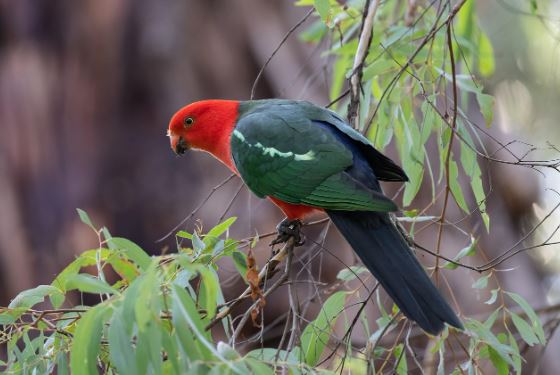
Yet, to focus solely on the furniture and fittings is to miss the soul of the exercise. The true luxury of a Sydney outdoor room is its connection to a sensory world no interior designer can replicate. It is the scent of petrichor—that sweet, earthy smell of rain on dry soil—that heralds a summer storm. It is the symphony of the evening chorus: the shrieking descent of rainbow lorikeets to their roost, the melancholic call of a currawong in the twilight, the soft tock-tock of a possum moving across the roof. It is the feel of a cooling breeze, the Southerly Buster, that arrives like a blessing on a stifling January afternoon, rattling the palm fronds and sweeping the stifling air out to sea.
This profound connection to place, this feeling of being immersed in a specific, vivid atmosphere, is what our great artists have so often sought to capture. You can see it in the dappled, shimmering light of an Arthur Streeton pastoral, where the heat of the Hawkesbury seems to vibrate off the canvas. You feel it in the raw, spiritual power of the landscapes by Albert Namatjira, where the ancient MacDonnell Ranges glow with an otherworldly, crystalline light. But perhaps it is in the more intimate, suburban visions of artists like Margaret Olley or Brett Whiteley where the soul of our outdoor living finds its clearest echo. Olley’s lush, chaotic interiors always spilled onto verandas bursting with pot plants, a celebration of domestic life embraced by nature. Whiteley’s Lavender Bay paintings capture that specific, golden Sydney haze, the water and sky merging into a blissful, fluid background for balconies and boats. Their work doesn’t just depict scenes; it bottles the very feeling of a sun-warmed terrace, the lazy, sensual contemplation of a harbour view, the vibrant, cluttered poetry of a life that refuses to be contained by four walls.
In the end, to design an outdoor room in Sydney is to practice a form of optimistic architecture. It is a bet on sunny days, a commitment to the evening breeze, and an openness to the spontaneous theatre of nature. It acknowledges that our finest moments are often those spent not in perfected, sealed environments, but in comfortable, beautiful transition zones—places where we can sip a wine, share a meal, and simply be, with the great, beautiful, untamed drama of Australia unfolding right there around us. It’s where we remember that the best room in the house often has no walls at all.